

Tensions are escalating between Iran and the US as both countries increase their military preparedness for potential conflict. Diplomatic exchanges on social media have become contentious between Washington and Tehran.
There is widespread speculation in the Middle East and beyond about whether US President Donald Trump will authorize military strikes and what specific targets would be chosen in the event of an attack. However, the lack of clear objectives and detailed post-operation plans raises concerns about the potential aftermath of any military action.
The possibility of internal chaos and violence in Iran leading to terrorism spreading to the UK is a growing concern. Iran has called on the UN Security Council to halt US military activities, prompting an emergency meeting in New York, while the US continues to issue threats.
Recent shifts in Trump’s rhetoric, from pledging support to protesters to focusing on Iran’s nuclear program, have added to the uncertainty. Despite previous US military actions impacting Iran’s nuclear ambitions, intelligence reports indicate that challenges persist, with the country preparing for potential conflict.
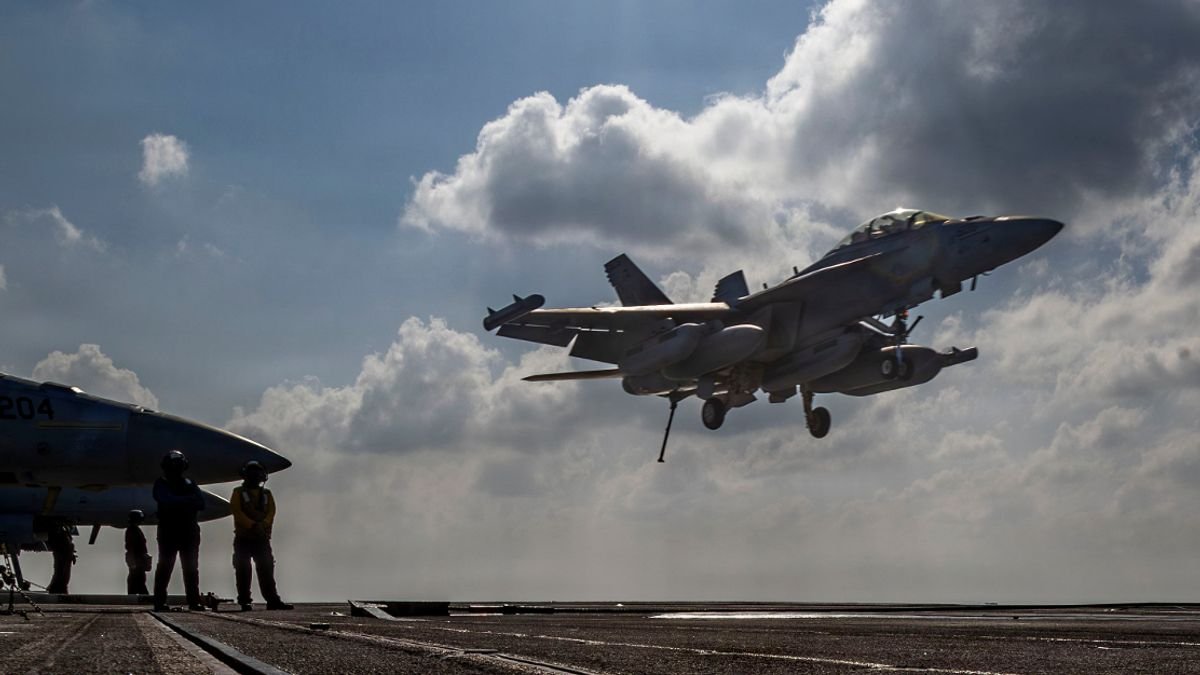
The situation is further complicated by conflicting messages from Trump on social media, creating ambiguity and raising the risk of miscalculations. Both the US and Iran have deployed military assets in the region, increasing tensions and the potential for a violent confrontation.
Concerns about regime change in Iran and the impact it could have on global security and terrorism are mounting. The complexities of such a transition, as seen in past conflicts, highlight the challenges of orchestrating a smooth shift in power without unintended consequences.
The repercussions of a conflict with Iran are significant, with potential long-term implications for global stability and terrorism. While some may welcome the prospect of regime change in Iran, the risks of exacerbating instability and terrorism on a global scale are considerable.