

In a scene that resembles a beach resort more than a battleground, Palestinians enjoy the sunshine on a Gaza seaside amid a war that has persisted for three summers. Despite discussions of peace talks and troop withdrawals, skepticism prevails among the populace.
Tamer Al-Sheikh expressed his wariness: “This conflict has made me cautious about hope. Despite multiple truces, violence persists.” Israeli airstrikes continue to target Hamas militants in Gaza almost daily, with the Israeli military expanding its presence westward, squeezing Palestinians into a smaller area near the Mediterranean Sea.
Following an agreement last October, Israel was expected to withdraw troops behind the “yellow line,” limiting control to less than 50% of the border territory. However, Israel now controls over 60%, citing operational security needs. Prime Minister Benjamin Netanyahu has directed further expansion to 70%, rejecting proposals for shared control with Hamas.
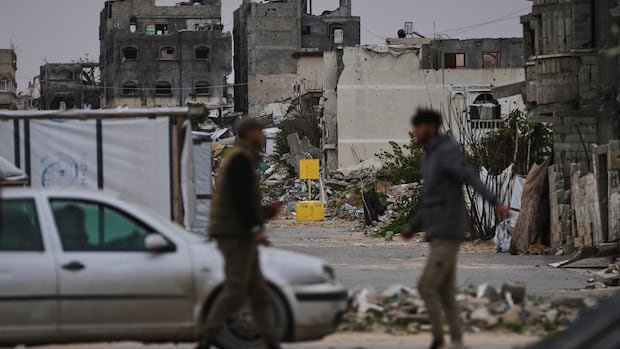
Reports confirm the advancing Israeli military presence through satellite imagery and eyewitness testimonies. The ongoing displacement of Palestinians due to the moving yellow line has led to significant casualties, with over 1,200 deaths since the ceasefire began. The destruction of Gaza’s neighborhoods has escalated, with homes systematically flattened by Israeli forces.
Israel justifies its actions as defensive measures to prevent hostilities and protect communities. Construction of barriers and fortified compounds along the yellow line continues, raising concerns among Palestinians about forced displacement. Extremist Israeli groups advocate for annexation of Gaza, intensifying tensions in the region.
As political rhetoric and power struggles play out, Palestinians living near the advancing yellow line fear being pushed further into precarious situations. Amidst uncertainties and ongoing conflicts, the plight of Gaza’s civilians remains a pressing concern.