
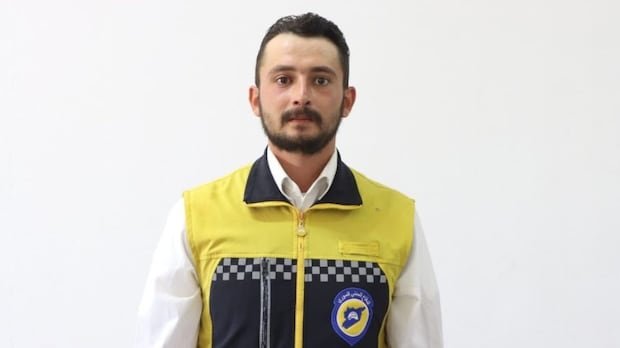

Syrians have demonstrated this week demanding justice for the tragic death of Mohammad Ghamira, a Syrian man who passed away in a hospital following alleged mistreatment by security forces while in custody. The incident occurred less than two years after the new government pledged to eradicate the prevalent arbitrary detentions and abuse that characterized the previous regime.
Ghamira’s relatives informed the police that the 29-year-old, a father of two, had hemophilia, a genetic disorder hindering blood clotting. He was detained for three days before being released on August 9, only to be rushed to the hospital and eventually succumb to his condition a week later.
For the new Syrian government, Ghamira’s death serves as a crucial test of its commitment to ensuring accountability in the post-Assad era, which saw the end of a decades-long authoritarian rule. His passing triggered peaceful demonstrations and sit-ins across the country, highlighting broader concerns about reported mistreatment in detention centers since the new administration assumed power.
Fadel Abdulghany, the Executive Director of the Syrian Network for Human Rights (SNHR), emphasized the need for a unified and judicially supervised detention system, citing Ghamira’s case as emblematic of the challenges faced during the transition period.
Ghamira, a former volunteer with the White Helmets, was detained on allegations of theft by the Latakia Internal Security Command. Despite his family’s warnings about his medical condition, he was reportedly subjected to physical abuse while in custody, leading to his tragic demise.
His burial in his hometown of al-Haffah in Latakia province was met with mourning and calls for justice. The Syrian Interior Ministry launched an investigation into Ghamira’s death, resulting in the detention of seven ministry personnel for questioning.
Major General Ahmed Latouf disclosed that Ghamira’s death was due to complications from a cerebral hemorrhage, with evidence pointing to mistreatment by a police interrogator. The interrogator is now facing prosecution, while disciplinary actions against other involved personnel are underway.
Although the Syrian government has pledged accountability in Ghamira’s case, rights groups have underscored persistent abuses in detention centers, emphasizing the need for systemic reforms to prevent further mistreatment and ensure oversight to prevent future violations. The push for transparent investigations and comprehensive reforms signals a pivotal moment in Syria’s journey towards justice and accountability post-Assad’s regime.