
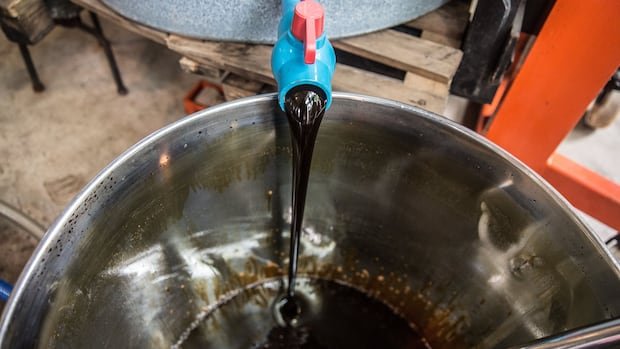

Amidst the ongoing trade tensions between Canada and the U.S., a recent decision by the U.S. to prohibit the import of Canadian molasses has reignited concerns of sugar smuggling and industry conflicts involving a major refinery in Hamilton, Ontario.
This ban, set to take effect on September 29, is part of a broader set of restrictions that also includes bans on motorcycles, select alcoholic beverages, and certain dairy products. The move follows extensive lobbying efforts by American sugar producers to increase tariffs on foreign sugar products, citing unfair competition from cheaper imports.
One of the key issues prompting the ban is the alleged circumvention of sugar tariffs and quotas by Canadian refineries. American sugar producers claim that Canadian companies are importing sugar blends disguised as pure molasses to avoid tariffs. This practice has raised concerns within the U.S. sugar industry and has attracted the attention of federal authorities.
At a recent industry event in Colorado, discussions centered on halting the influx of diluted Canadian molasses into the U.S. market. The U.S. sugar industry is pushing for a complete stop to these imports, with federal agencies actively involved in addressing the issue.
The controversy traces back to a case from the 1990s involving a Michigan-based company that exploited tariff loopholes by mixing molasses with sugar and water in Canada. The company then refined the mixture in the U.S., leading to regulatory scrutiny and eventual closure of operations due to industry pressure.
Sucro Can Sourcing, a Florida-based company with a major refinery in Hamilton, has been at the center of these allegations. The company’s chairman, Don Hill, denies any wrongdoing and asserts that the accusations are an attempt to tarnish Sucro’s reputation. Despite approval for molasses imports by U.S. Customs and Border Protection, Sucro has faced intense scrutiny from the sugar lobby.
The American Sugar Alliance, representing U.S. sugar producers, has welcomed the molasses import ban, emphasizing the importance of upholding trade laws and protecting domestic industries. However, Sucro has challenged the allegations, calling for a retraction of a controversial USDA report that raised concerns about molasses imports from Canada.
As the industry grapples with regulatory challenges and trade disputes, the impact of these developments on the sugar market remains a topic of debate among experts and stakeholders. The situation underscores the complex dynamics of international trade and the influence of lobby groups in shaping policy decisions.