
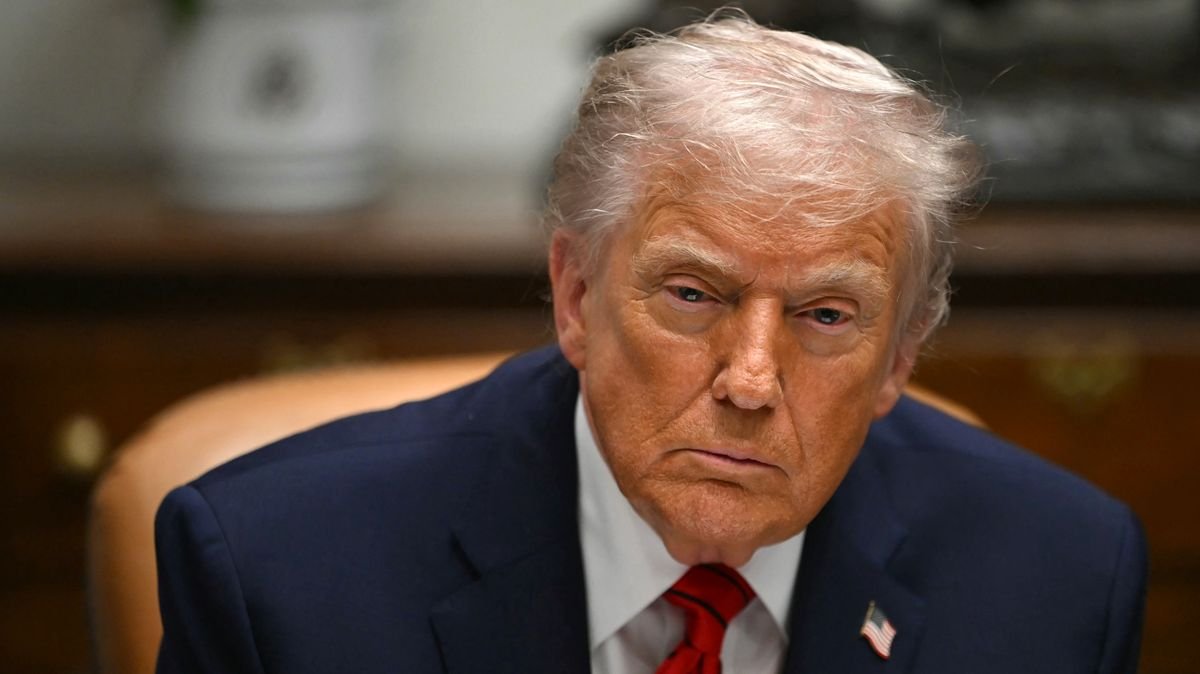

Donald Trump has reentered the White House with a promise of a renewed era marked by control, order, and results. However, his comeback presidency has unfolded as a series of irresponsible actions, unfulfilled commitments, and self-serving behavior, demonstrating a disregard for legal norms. Approaching his second year in office, the risks are escalating: strained relationships with allies, growing internal unrest, and a looming electoral test that could potentially lead to the end of his presidency.
Since the beginning, Trump has governed with a focus on personal gain rather than public responsibility. While his administration has been characterized by rapid decision-making, the speed has concealed underlying vulnerabilities. Executive orders have been issued at an unprecedented rate, weakening institutions and treating allies as obstacles to be overcome rather than partners to be consulted.
Despite Trump’s claims of achieving peace and ending conflicts, his actions have often led to increased tensions and instability. In the Middle East, for instance, his declarations of de-escalation have not resulted in lasting peace agreements but rather in a superficial display of diplomacy. His approach to foreign policy has strained long-standing alliances, particularly with NATO, where his questioning of shared defense obligations has unsettled European allies and emboldened adversaries.
One of the most concerning aspects of Trump’s foreign policy legacy is the erosion of established alliances and the disregard for diplomatic norms. By openly challenging NATO and engaging in what seems like diplomatic coercion, Trump has raised doubts about the reliability of the United States as a partner. His transactional approach, highlighted by attempts to acquire Greenland as a bargaining chip, has reinforced concerns among allies about the negotiability of sovereignty under his administration.
In addition to his foreign policy actions, Trump’s domestic policies have also sparked controversy and discontent. His imposition of tariffs has disrupted global trade, leading to higher prices, supply chain disruptions, and economic uncertainty. Despite promises of a manufacturing resurgence and economic benefits for Americans, the reality has been an increase in inflation, job losses, and disapproval of his economic management by a majority of the population.
Furthermore, Trump’s administration has witnessed significant upheavals within the government, with mass dismissals of civil servants, dismantling of departments, and reductions in key agencies like USAID. His legislative agenda has been characterized by aggressive moves to push through significant changes, such as tax cuts and healthcare reductions, further polarizing public opinion and deepening societal divisions.
The administration’s approach to immigration has been particularly contentious, with harsh enforcement measures leading to deportations, family separations, and widespread criticism for violating civil rights. Trump’s handling of the Epstein files, in particular, has drawn scrutiny for failing to fulfill promises of transparency and accountability, raising suspicions of ulterior motives and lack of commitment to upholding democratic values.
As the country approaches the midterm elections in 2026, Trump faces mounting challenges both domestically and internationally. The potential consequences of a shift in congressional power, combined with ongoing controversies and public dissatisfaction, pose a significant threat to his presidency. With the specter of increased investigations, legal challenges, and the possibility of impeachment looming, Trump’s leadership style, marked by spectacle and defiance of norms, may face its most critical test yet.
In summary, Trump’s return to office has been marked by a series of controversial decisions, broken promises, and a growing sense of instability both at home and abroad. As the second year of his presidency unfolds, the question remains whether the institutions he has tested will be able to withstand the pressures of his unconventional leadership style.