
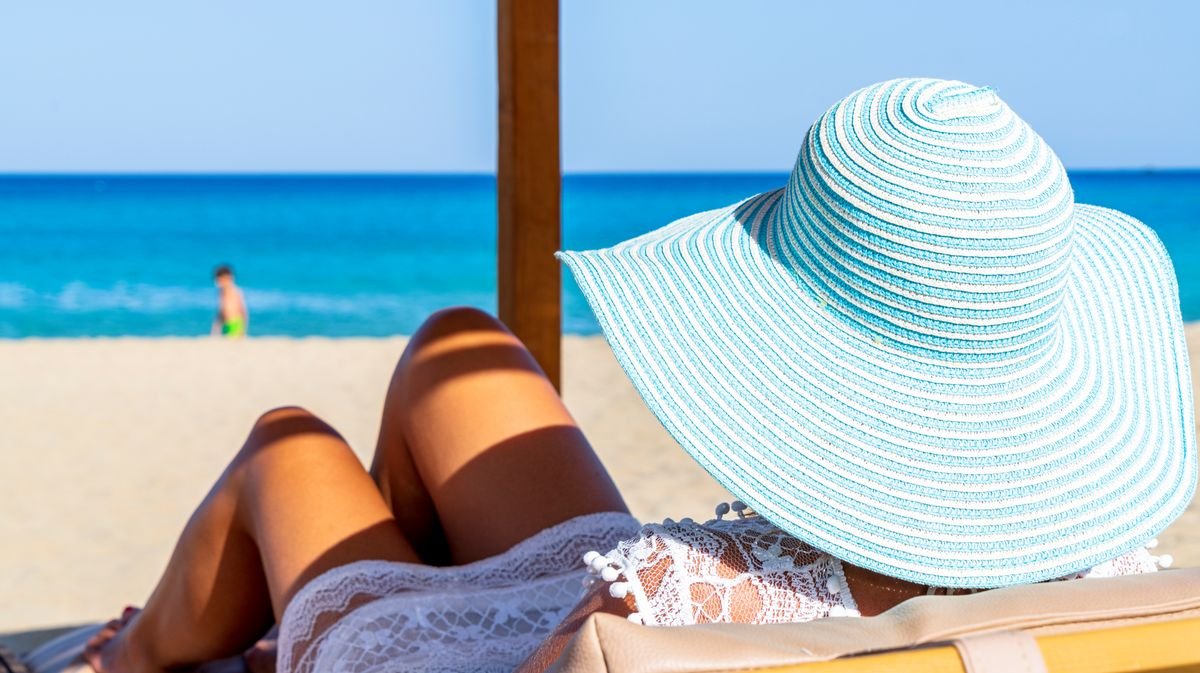

Greek authorities have implemented restrictions on 251 beaches to combat overtourism by prohibiting the use of sun loungers, beach umbrellas, and speakers. The measure aims to curb excessive development around these beaches.
Certain beaches will be reopened to the public, with hotels prohibited from sectioning off private areas. Additionally, developments like concrete piers, sea walls, and paved paths are banned to preserve the natural state of the beaches.
Since April 2026, 251 areas in Greece have been designated as Natura 2000 sites, where activities such as using sun loungers, beach bars, and umbrellas are prohibited. This initiative, which began in 2024 with 198 beaches, has now expanded in scope.
The Greek Environment Ministry stated that the new regulation aims to protect beaches with unique aesthetic, geomorphological, or ecological value, as well as conserve habitats and flora and fauna species present on these beaches. The ministry emphasized the importance of safeguarding the ecological functions and morphology of these coastal areas.
Popular beaches like Balos, Elafonisi, Falassarna, Gramvousa, and others across various regions are included in the list. In order to maintain the pristine nature of these locations, the Greek Ministry of Environment enforces strict rules to prevent overcrowding and preserve the ecological integrity of these sites.