

Preserved human remains may not be a typical item found in regular delivery packages, but scientists have identified a thriving global market online for such artifacts. This niche interest, as per researchers, carries potential health risks.
A recent study, detailed in the International Journal of Cultural Property, scrutinized 128 online posts dating from 2015 to 2025 showcasing and promoting the sale of preserved human and animal remains. Lead author Kirsty Squires, a bioarchaeology professor at the University of Staffordshire in Stoke-on-Trent, England, noted the prevalence of mummified heads, hands, and feet among the displayed items.
The research team highlighted that mummified body parts could house dormant microorganisms like bacteria, fungi, and yeast, which, if mishandled, might pose health threats to individuals. However, experts suggest that proficient collectors might not encounter significant concerns if they exercise proper caution.
Best Practices for Handling Mummified Artifacts
Squires observed in the online images signs of visible deterioration in the remains, primarily attributed to inadequate storage conditions. Unlike in museums where mummies are stored under controlled temperature and humidity settings, domestic settings like homes or garages lack such regulated environmental conditions.
Improper handling of these remains may release concealed fungal spores or bacteria, which can endure in mummified tissues for extensive periods, into the nearby environment, caution the researchers.
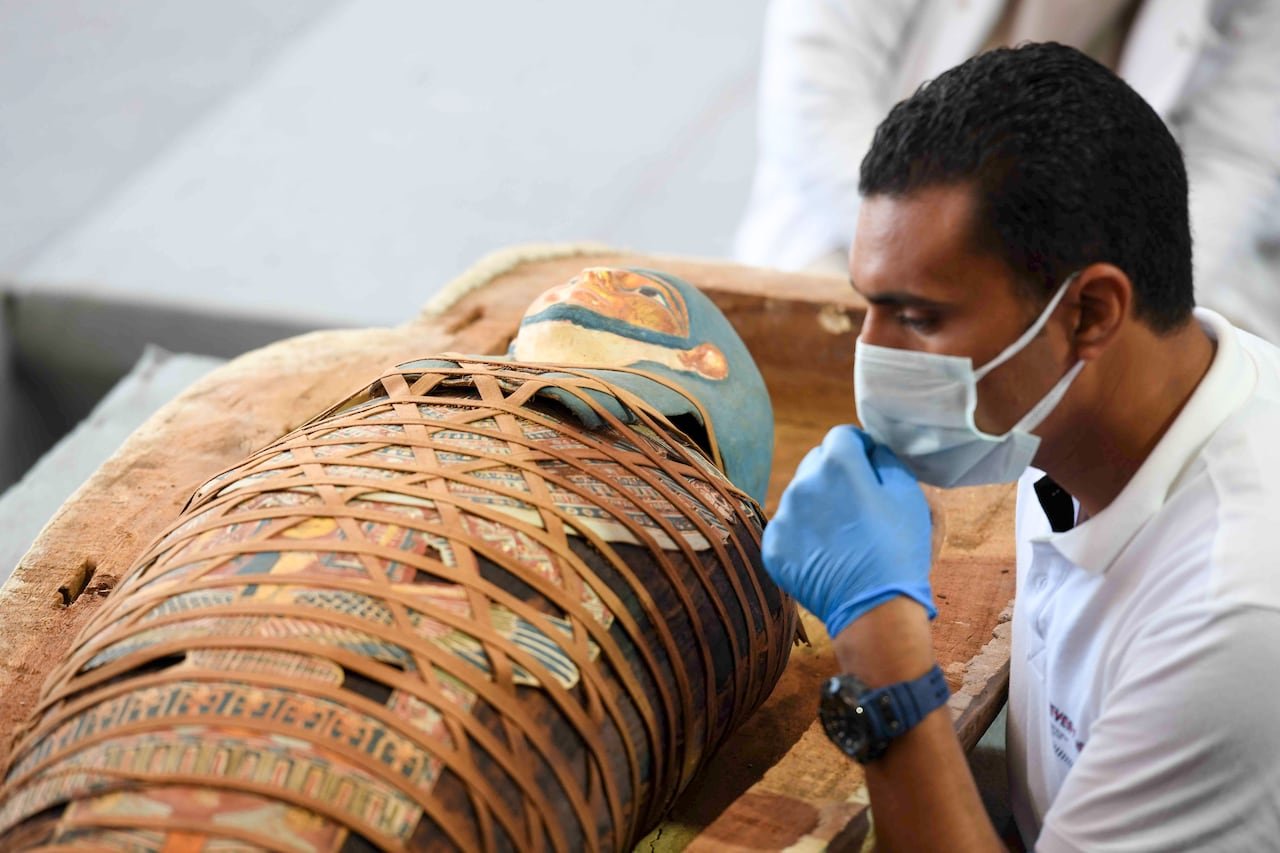
When handling human remains for her research, Squires emphasizes the use of protective gear. Notably, some sellers in the images appeared to handle the remains without wearing gloves.
Squires highlighted that individuals with compromised immune systems face risks of exposure to airborne microorganisms, potentially affecting the respiratory system and causing skin and eye irritations.
Moreover, certain mummified body parts may contain hazardous chemicals such as arsenic and mercury from embalming fluids used in the 19th and early 20th centuries, according to the study.
The Potential Risks of Dealing with Mummified Artifacts
While the study doesn’t cite specific cases of individuals falling ill from handling online-purchased human remains, historical incidents point to potential dangers. For instance, in 1973, 10 out of 12 conservation scientists perished after inhaling common mould spores while opening the 15th-century tomb of King Casimir the Fourth of Poland.
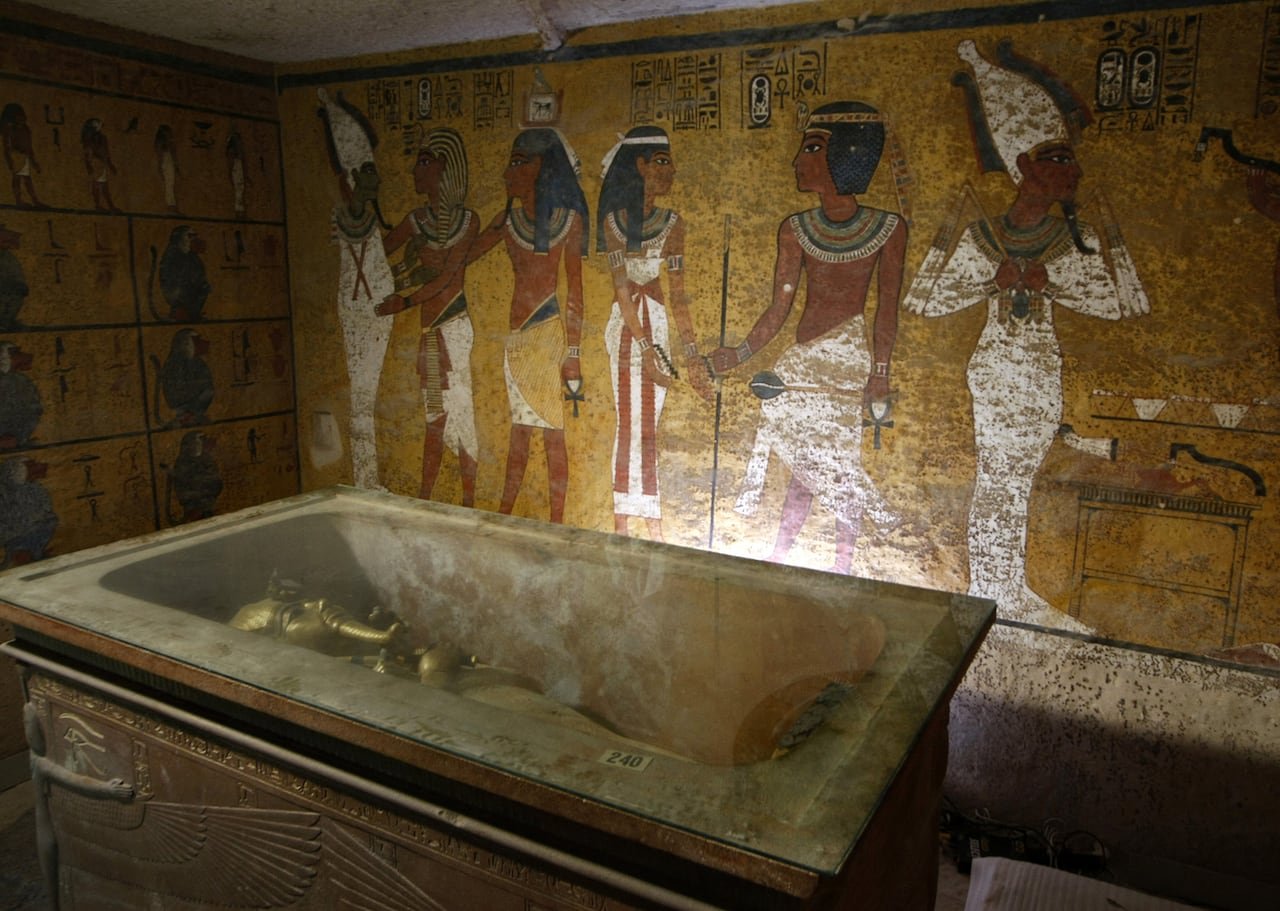
Speculation also surrounds the death of British archaeological patron Lord Carnarvon in 1923, linking it to airborne fungal spores possibly encountered in King Tutankhamun’s burial chamber. His demise shortly after entering the chamber fueled rumors of a “mummy’s curse” for disturbing the pharaoh’s resting place.
James Scott, a professor at the Dalla Lana School of Public Health in Toronto, expressed more concern over the ethical implications of this trade than the health risks it poses. He emphasized that while any mould exposure is undesirable, minimal exposure carries low risks, especially for collectors who handle items with care.
Insights into Canada’s Mummified Remains Market
Among the scrutinized