
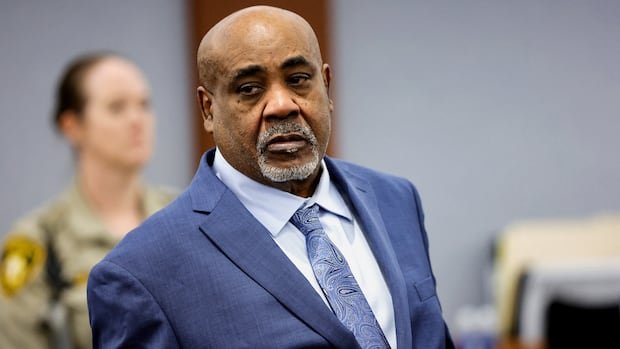

A prosecutor informed jurors during the commencement of a murder trial in Clark County, Nevada, that a former leader of a street gang masterminded the 1996 drive-by shooting that killed famous hip-hop artist Tupac Shakur in Las Vegas. Duane (Keffe D) Davis, aged 63, faces a murder charge involving a deadly weapon and has entered a plea of not guilty. The prosecution alleges that Davis orchestrated the attack on Shakur, a renowned figure in the rap industry, near the Las Vegas Strip.
According to the prosecutor, Binu Palal, Davis ensured the shooters were armed and prepared to carry out the plan for revenge against Shakur for assaulting his nephew. Palal highlighted recent public statements made by Davis that brought attention back to the long-dormant case. In contrast, defense attorney Michael Sanft argued that after three decades, there is scarce evidence to support the prosecution’s case. Sanft discredited Davis’s credibility, labeling his statements as unreliable and lacking substantiated facts.
The murder of Tupac Shakur added to the portrayal of violence in hip-hop culture during the peak of “gangsta” rap, fueling the rivalry between the East Coast and West Coast rap scenes. Police arrested Davis in 2023 after being a long-standing suspect in the case, with his public statements ultimately leading to charges. The trial, presided over by Judge Carli Kierny, is expected to span six weeks and may include testimonies from Marion (Suge) Knight, co-founder of Death Row Records, who was with Shakur at the time of the shooting.
Davis, described as the orchestrator of the plot seeking retribution for his nephew’s beating by Shakur’s entourage, allegedly provided the murder weapon to two individuals in a white Cadillac following a confrontation at the MGM Grand casino. The altercation between rival street gangs, the South Side Compton Crips led by Davis and the Mob Piru associated with Knight, escalated into the fatal shooting of Shakur. The incident resulted in Shakur’s death and minor injuries to Knight, who was driving the vehicle.
Despite the case going cold for years, Davis’s statements to the media in 2018 reignited the investigation. His accounts in interviews and his 2019 memoir indicated his involvement in the shooting but did not specify the actual shooter. The trial hinges on whether Davis’s role in the crime, even without pulling the trigger, warrants a murder charge under Nevada law.
O’Ron Gordy, a dedicated Tupac fan, expressed skepticism about uncovering the truth surrounding Shakur’s death. He emphasized his presence at the trial to glean any new insights and support the memory of his beloved rapper. Davis, in his book, hinted at his long-standing suspicion in both Shakur’s and another rapper, Christopher Wallace’s, murders. While Wallace’s killing remains unsolved, investigators have linked it to Shakur’s death as a retaliatory act.