
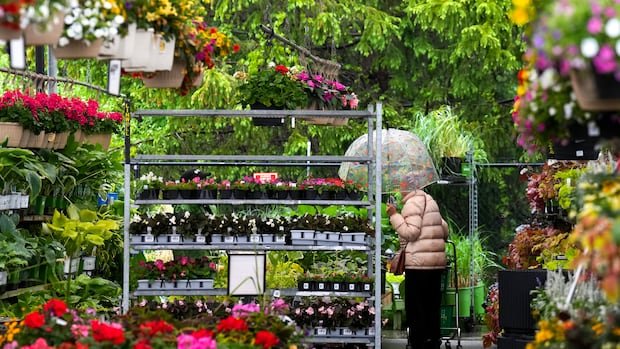

Canadian municipalities are taking action to prevent the sale of invasive plants in local garden centers. In response to the threat these plants pose to biodiversity, efforts are being made to address regulatory gaps in the horticultural trade, which currently vary by jurisdiction. Canada has a target to reduce the introduction and establishment of known invasive species by 50% by 2030.
The Canadian Coalition for Invasive Plant Regulation (CCIPR) is urging the federal government to establish a regulatory body for the horticultural industry and develop a national database identifying invasive plants and associated risks in different regions. The aim is to inform the public about potential harm posed by these plants, similar to how other products are labeled for safety.
While the Canadian Food Inspection Agency (CFIA) oversees some invasive plants under the Plant Protection Act, provinces and territories have their own legislation for invasive species control. The CFIA’s approach focuses on species-specific risks rather than a blanket prohibition, restricting the import, sale, possession, and movement of regulated pest plants.
Advocates stress that managing invasive plants is a shared responsibility among federal, provincial, and municipal authorities, industry stakeholders, and invasive plant organizations. Recent initiatives in Canadian cities, such as Nanaimo and Surrey, have included motions to restrict the sale of invasive plants by businesses. London, Ontario’s environmental committee also recommended providing information to customers at the point of sale for invasive plants and animals.
Efforts to combat invasive plants require collaboration at all government levels. By implementing a national database and clear labeling, stakeholders can access information on risky plants and take appropriate action. Nurseries, like that of horticulture expert Jim Hole, are supportive of these measures to prevent the spread of invasive species and protect biodiversity.
Native plant advocate Lorraine Johnson emphasizes the role of garden centers in biodiversity loss, highlighting the importance of educating consumers about the impact of planting non-native species. Regulating garden centers can help raise awareness among gardeners and promote a deeper understanding of the ecological significance of the plants they choose for their gardens.