
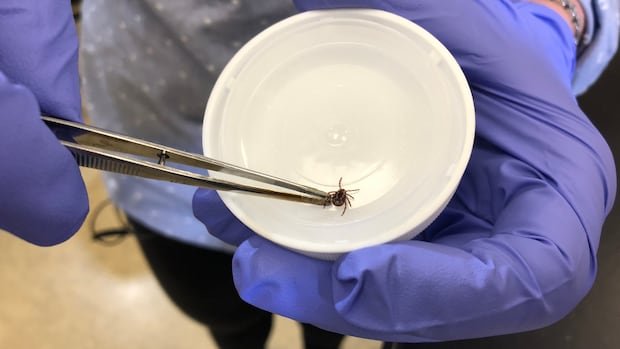

Nova Scotia’s Acadia University lab is set to receive $1.2 million in funding from the provincial government for ongoing research on tick-borne illnesses prevention and management. Nicoletta Faraone, who heads the Canadian Tick Research and Innovation Centre, emphasized the critical role of the funds in establishing the lab and supporting its surveillance program. The program focuses on identifying tick species in the region, analyzing the pathogens they carry, and evaluating their response to repellents and attractants.
Tick bites can transmit various diseases like Lyme disease and anaplasmosis to humans. Faraone highlighted the lab’s advanced equipment, which will enhance the speed of pathogen testing. The primary goal is to enhance knowledge about ticks and improve preparedness to minimize tick bite exposure.
The funding is part of Research Nova Scotia’s Focused Research Initiative, supported by the Department of Advanced Education. Research Nova Scotia CEO Stefan Leslie emphasized the importance of addressing tick-borne diseases through practical research beyond the laboratory.
Recent data from the Public Health Agency of Canada revealed over 5,800 reported Lyme disease cases nationwide in 2024, with Nova Scotia accounting for 40% of these cases. Anaplasmosis cases have also been rising, with Nova Scotia registering a significant increase from 317 to 681 cases after the disease was listed as notifiable in 2023.
In addition to the provincial funding, the federal government is contributing $455,000 to the project through the Atlantic Canada Opportunities Agency. This support will enable the lab to continue its tick-breeding efforts locally, a significant shift from purchasing ticks from an external facility. The breeding program aims to study the genetic composition of Canadian ticks and generate revenue by supplying tick specimens to researchers nationally and internationally.
Faraone confirmed that the tick breeding program is operational, with ticks collected throughout the seasons and currently laying eggs. The lab is monitoring the environmental conditions to facilitate the growth of tick colonies.
For more news on this topic, visit the source.