
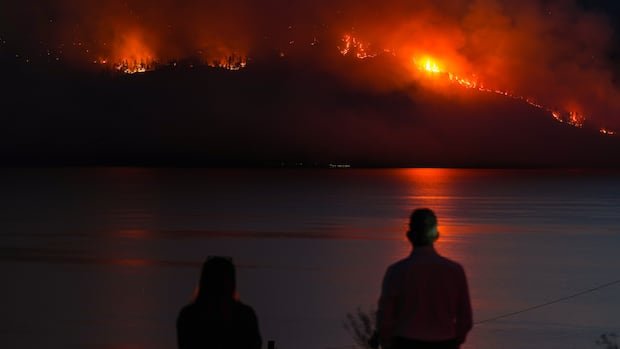

A significant Pacific Ocean warming event known as “super” El Niño or “Godzilla” El Niño has resurfaced, impacting global weather patterns amid already heightened temperatures. North America and Europe experienced record-breaking heat in July, leading to heat-related fatalities, dried-up water sources, and widespread wildfires, including in Canada.
Although this scorching summer coincided with the return of El Niño, climate scientists emphasize that the natural phenomenon is not solely responsible for these extreme weather events. However, they caution that El Niño could exacerbate the already intense impacts of climate change driven by fossil fuels.
According to NASA’s climate scientist Josh Willis, the current El Niño is expected to have broad and significant effects across a vast area, suggesting a turbulent period ahead. This El Niño, occurring every three to seven years, causes disruptions in weather patterns by heating up the air above the Pacific waters, resulting in altered rainfall patterns globally.
While the full impact of this El Niño is yet to be realized in northern regions like Canada, experts are closely monitoring its unprecedented strength. This El Niño is projected to rival the intensity of past occurrences, such as those observed in 2015-16 and 1997-98, marking it as one of the strongest on record.
As El Niño continues to unfold, regions like Peru and Ecuador are bracing for heavy rains and drought, with notable effects seen in both equatorial and non-equatorial areas. El Niño’s influence extends to changes in hurricane seasons, with fewer storms in the Atlantic but increased storm activity in the Eastern Pacific due to warm water conditions.
Climate scientists emphasize that while El Niño plays a role in current weather patterns, the broader context of human-caused climate change has set the stage for extreme events. This El Niño event, occurring in an already warmer world due to climate change, is expected to have long-lasting impacts well into 2027.