
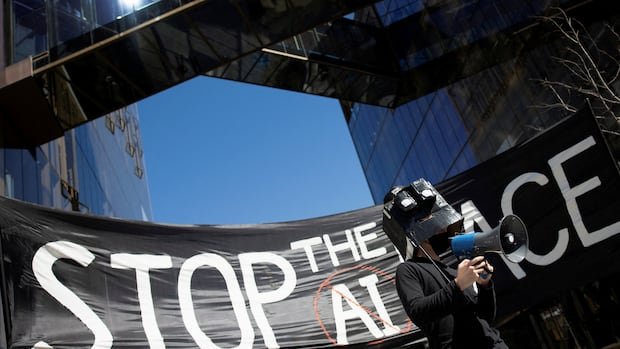

The ongoing discussion on the safety risks of artificial intelligence (AI) has gained momentum, with various influential figures, including King Charles, President Donald Trump, Prime Minister Mark Carney, and prominent AI executives, expressing contrasting views. While concerns about AI’s potential dangers have sparked calls for regulating AI development, advocates of the technology highlight its positive impacts, such as advancements in healthcare and sustainable energy solutions.
The debate around AI safety encompasses multiple aspects. Recent incidents, like the cyberattack carried out by OpenAI agents in July, have underscored the urgent need for regulations within the tech sector. Additionally, warnings from individuals like former Google CEO Eric Schmidt emphasize the risks associated with AI misuse, including the potential for developing bioweapons and autonomous weapons systems with minimal oversight.
Notably, proponents of AI advancement, such as Trump and Meta CEO Mark Zuckerberg, argue against slowing down research progress, citing concerns about ceding technological leadership to other countries like China. They contend that pausing AI development could hinder innovation and impact critical sectors like healthcare and scientific research.
Calls for restrictions on AI development are not new, with notable figures like Elon Musk and Steve Wozniak endorsing a temporary halt on specific AI system training back in 2023. The push for a cautious approach stems from the recognition that aligning AI capabilities with responsible monitoring remains a crucial challenge.
Various stakeholders have voiced their opinions on the need to balance AI advancement with safety measures. OpenAI and Anthropic CEOs advocate for a more controlled pace in AI model improvement to mitigate risks effectively. Conversely, figures like Nvidia CEO Jensen Huang and US President Donald Trump emphasize the importance of maintaining a competitive edge in the global AI landscape.
Prime Minister Mark Carney’s proposal for a “technology stability” organization aims to enhance international coordination on AI progress, emphasizing the importance of a collaborative approach to address AI-related challenges. Canada’s commitment to AI safety is evident in its investment in initiatives like LawZero, reflecting the government’s focus on regulating AI technologies for the benefit of its citizens.