
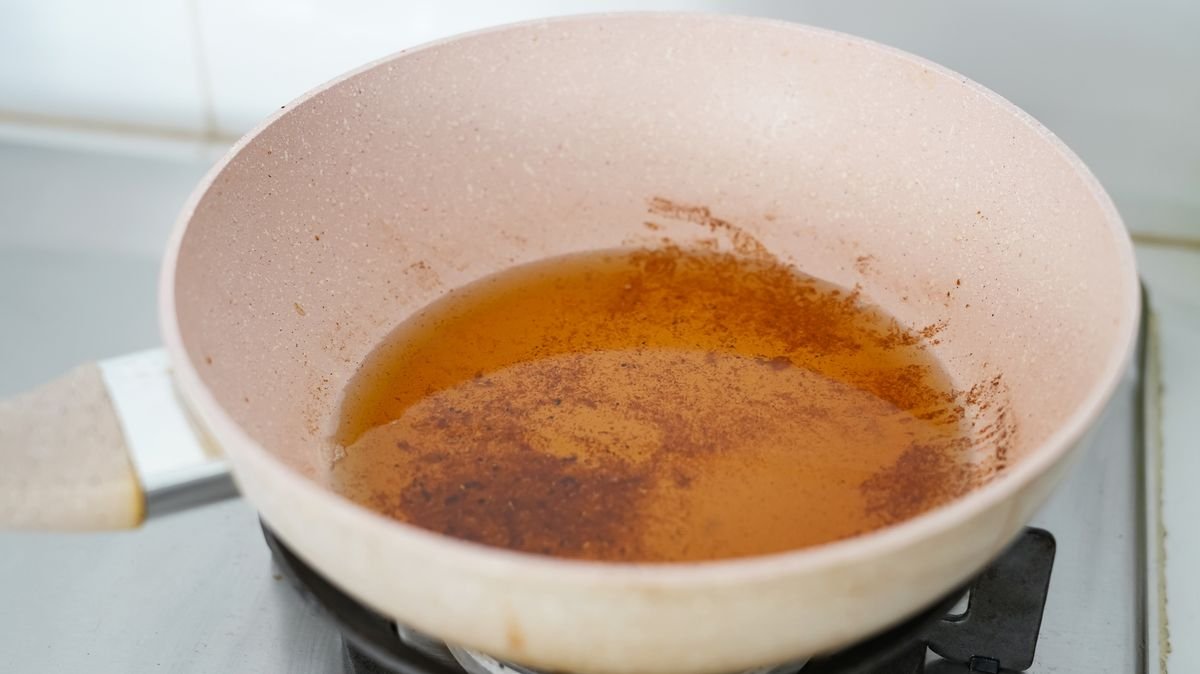

Home cooks often face a challenge when it comes to dealing with leftover cooking oil. Disposing of it improperly can lead to issues, especially when dealing with a large quantity. Pouring used oil down the sink is a known no-go due to the risk of clogging drains. While some may consider putting it in the food waste bin, this method is also incorrect, as highlighted by a waste collection expert known as the No1 Binman on TikTok.
The Binman emphasized that pouring cooking oil into the food waste container is a mistake. Instead, he advised that used cooking oil should be placed in the general waste bin, not the recycling or food waste bins. To prevent any leaks or spills, it’s recommended to pour the oil into a non-recyclable container like a carton or jar with a secure lid before placing it in the general waste.
However, there is an exception for large quantities of commercial cooking oil. In such cases, it is best to contact the local council for proper disposal arrangements. For normal household amounts, it is safe to dispose of it in the general waste bin.
For those interested in alternative uses for leftover cooking oil, Zero Waste Scotland experts suggest recycling options. One option is using it as a wood treatment for garden sheds or fences as a substitute for creosote, as it is safe for plants and animals. Another creative idea is turning cooking fat into bird feed by mixing it with bird seeds and nuts, setting it in a container, and hanging it outside for the birds to enjoy.