
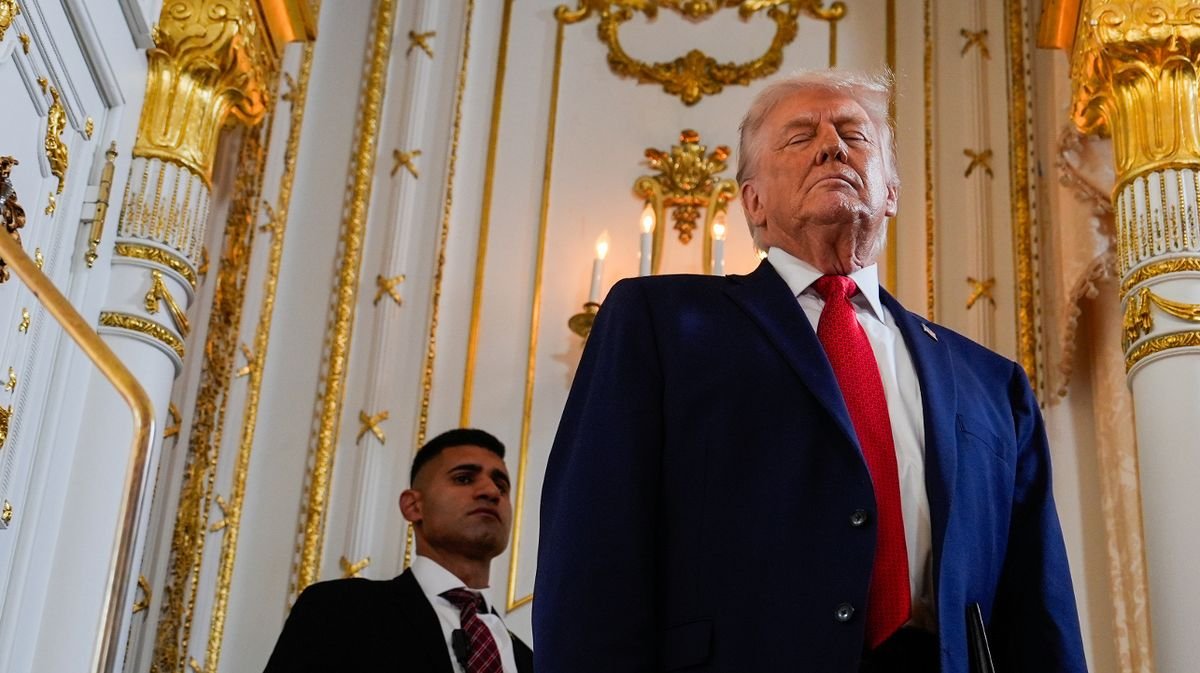

In a surprising turn of events, Donald Trump’s actions have raised concerns and sparked discussions about his controversial decisions and behavior since the beginning of his second term in 2026. Trump’s bold statements and actions have left many questioning the future of his presidency.
From his ambitions to own Greenland and implement mass deportations to his refusal to accept the 2020 election results, Trump’s rhetoric and behavior have been a cause for alarm. Recently, he has taken drastic steps, such as invading Venezuela and threatening to impose tariffs on various countries, including the UK. These actions have raised international law concerns and sparked fears about his authoritarian tendencies.
Moreover, Trump’s clashes with Greenland, Colombia, and Cuba, along with his controversial handling of internal affairs, have intensified worries about his leadership style. His administration’s actions, including deploying ICE forces excessively, defending controversial decisions, and suppressing protests, have raised red flags about the direction of the country under his leadership.
As Trump continues to hint at extending his term beyond legal limits and jokes about canceling elections, the nation faces unprecedented challenges in ensuring a smooth transition of power. The prospects of Trump remaining in office despite legal constraints have led to discussions about potential scenarios and ways to address the situation.
While impeachment and the 25th Amendment are traditional ways to remove a president, the current political landscape presents challenges in achieving a successful outcome. With Trump’s strong influence within the Republican Party and his efforts to potentially manipulate future elections, the path to holding him accountable becomes increasingly complex.
As the nation grapples with the uncertainties surrounding Trump’s presidency, the possibility of him refusing to leave office voluntarily or challenging established procedures looms large. The unprecedented nature of his actions and the potential for resistance to traditional norms raise concerns about the stability and integrity of the democratic process in the United States.