
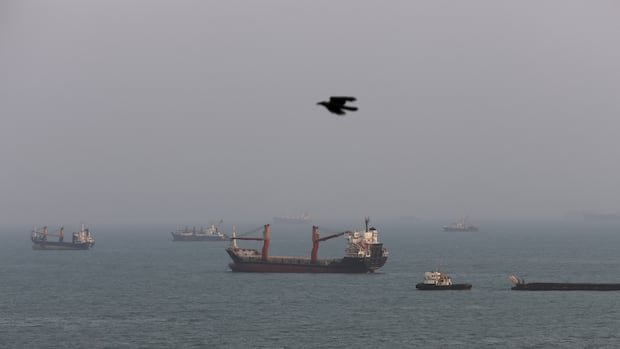

U.S. President Donald Trump stated that there were no ongoing discussions with Iran and affirmed that the Strait of Hormuz was accessible, contrary to Iran’s claim of closure. The diminishing possibility of a resolution to the six-month conflict led to a rise in oil prices, a decline in stock markets, and increased borrowing costs for major economies, including the U.S.
Following the expiration of a temporary ceasefire agreement, a senior Iranian official indicated a shift to a more aggressive military stance due to the diplomatic impasse. However, there were no reports of new hostilities from either side on Tuesday.
Trump clarified via a Truth Social post that there were no active or planned talks with Iran and emphasized the continuation of the naval blockade while confirming the opening and functioning of the Hormuz Strait without any remaining water mines.
Jared Kushner, Trump’s son-in-law and special envoy, had previously expressed optimism about the ongoing talks with Iran. The conflict, initiated by joint U.S.-Israeli strikes on Iran, has evolved into a standoff, with Iran threatening the strait’s shipping while the U.S. warns of potential renewed attacks if negotiations fail to yield a lasting resolution.
One of the primary U.S. objectives is to prevent Iran from obtaining a nuclear weapon. However, experts highlight the challenge of achieving this goal without addressing the enriched uranium reportedly stored at sites previously targeted by the U.S. military.
Despite Trump’s assertions of improving conditions in the Gulf, reports from various countries continued to indicate efforts to disrupt shipping activities. The United Arab Emirates reported the detection of two ballistic missiles launched from Iran targeting maritime traffic, following a similar incident in May.
The UAE suspended trade activities with Iran, citing regional tensions that undermined peace and security. Direct cargo shipping between the UAE and Iran had recently resumed but was now halted due to the escalating situation.
Furthermore, the United Kingdom Maritime Trade Operations received a report of a vessel being struck by a projectile in the Strait of Hormuz, resulting in engine room damage and casualties among the crew. The Omani Coast Guard was providing assistance to the affected crew members.
Iran’s top negotiator emphasized that the strait would remain closed until the U.S. fulfilled the conditions outlined in a previous interim deal. The agreement aimed to resolve disputes and secure the passage of global oil and gas through the strait.
Iran remains open to dialogue with the U.S., rejecting any notion of surrender amid ongoing military pressure and sanctions. The conflict has inflicted casualties and economic disruptions, with Brent crude oil prices surging during the crisis.
The U.S. administration warned of additional economic sanctions against Iran in the coming months, signaling a possible escalation of measures to address the ongoing tensions.