
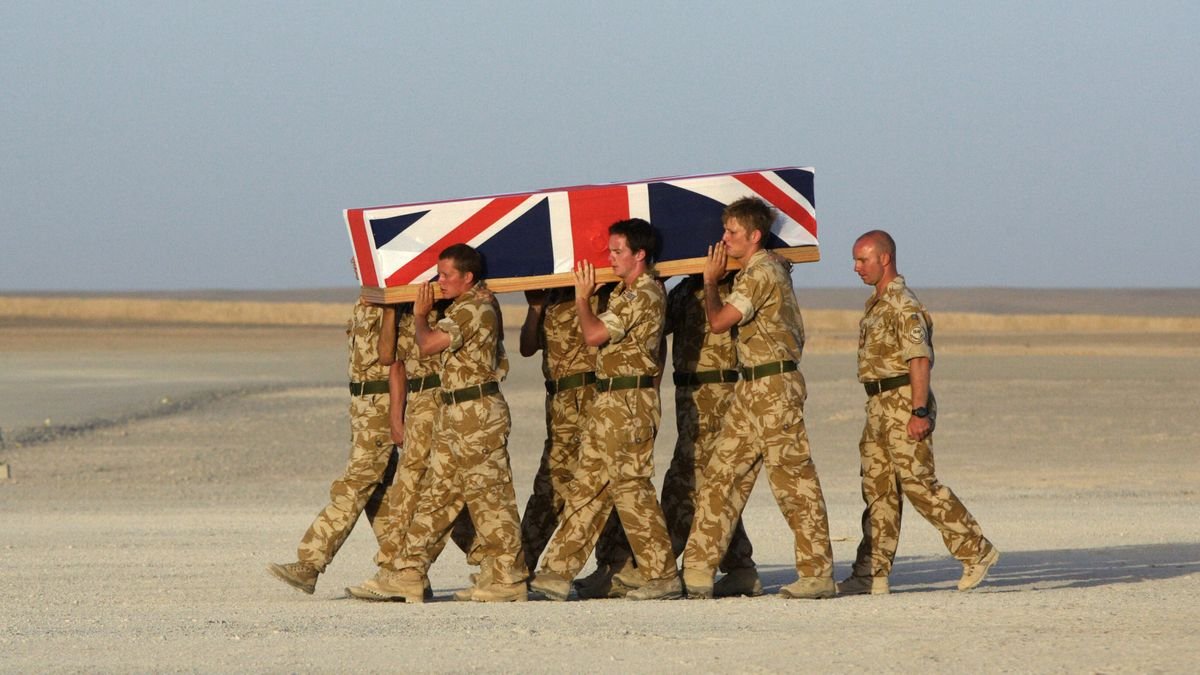

Keir Starmer displayed visible anger in response to Donald Trump’s false claims that British forces avoided combat in Afghanistan. Starmer deemed Trump’s remarks insulting and appalling, demanding an apology. Despite typically refraining from publicly criticizing the US President, the Prime Minister felt compelled to denounce Trump’s offensive comments about fallen British soldiers.
Trump’s assertion that Nato troops remained off the front lines during the Afghanistan conflict drew widespread condemnation, even from Nigel Farage. The UK and its Nato allies stood by the US after 9/11, with 457 Britons losing their lives and many more sustaining injuries in Afghanistan. In contrast, Trump evaded military service during the Vietnam War.
Starmer’s strong rebuke of Trump represents a notable departure from his usual diplomatic stance. The Labour leader’s response, driven by his deep-rooted values of public service and patriotism, resonated with bereaved families and MPs across party lines. The UK-US relationship, crucial across various domains including defense and economics, faces scrutiny as Starmer draws clear boundaries.
Against the backdrop of escalating tensions with Russia, British armed forces are actively engaged in training exercises, as witnessed during a visit to Norway where Royal Marines are preparing for Arctic warfare. These elite troops, stationed at Camp Viking, serve as a deterrent to Russian aggression while remaining ready for combat if necessary.
Trump’s disparaging comments regarding Nato forces not only disrespect the sacrifices made in Afghanistan but also undermine the resolve of those defending against Russian threats. American military personnel who served alongside British and allied forces are also likely to view Trump’s remarks unfavorably.
The significance of Starmer’s response lies not only in defending British military honor but also in signaling a firm stance on international relations, particularly in countering Russian aggression. The UK’s commitment to upholding alliances and safeguarding national interests remains steadfast in the face of external challenges.