
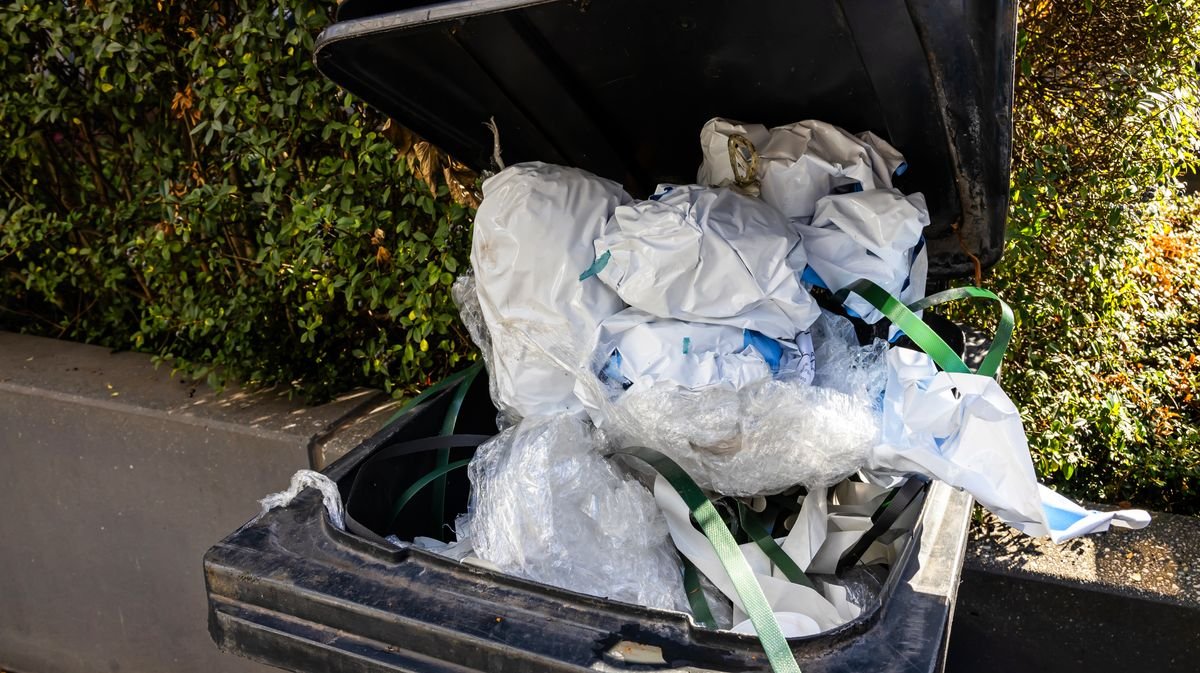

Overflowing garbage bins are a common problem in some neighborhoods, especially after missed collections or during hot weather periods. While some issues get resolved quickly, others persist, causing frustration for nearby residents.
The concerns go beyond just the unsightly appearance of overflowing waste. Unpleasant smells, attracting pests, and the overall impact on the neighborhood prompt questions about potential solutions.
Local councils have the authority to act when waste accumulates to a level that causes a nuisance or when residents repeatedly fail to adhere to waste collection guidelines. Homeowners must follow their council’s waste collection rules, including when to present and retrieve bins after collection.
Enforcement actions, such as issuing fixed penalty notices, may be taken if residents consistently violate waste collection requirements, leading to a nuisance in the area. However, enforcement is expected to be proportionate and not triggered automatically for minor infractions.
When waste accumulates and affects neighboring properties, councils are obligated to investigate under the Environmental Protection Act 1990. If a statutory nuisance is verified, an abatement notice can be issued, requiring resolution of the problem. Failure to comply may lead to further enforcement measures or legal prosecution.
Residents are advised to communicate with neighbors first before involving the council and to document the issue with photos and timestamps. Waste collection policies vary among local authorities, so it is essential to follow the guidelines set by one’s own council.
While an overflowing bin is unpleasant, it does not always signify a legal violation. Councils typically intervene when issues persist, breach local waste collection rules, or pose health risks or statutory nuisances.