
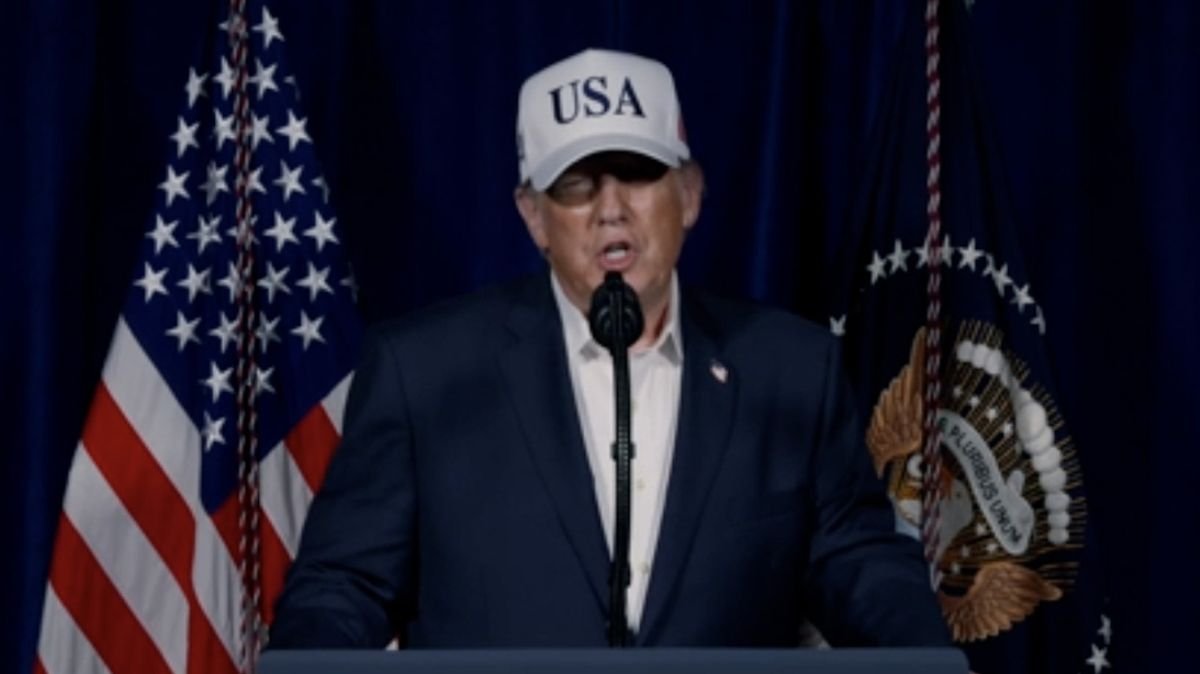

The current focus worldwide is on why the President of the United States refuses to give a straightforward answer to the question of why he initiated the ongoing conflict. This war with Iran is not a minor engagement but a substantial and risky confrontation that demands clear and transparent explanations.
The situation with Iran is complex due to its military strength, regional influence, and historical resilience. Any actions taken against such a formidable regime carry significant implications, potentially leading to either survival or collapse scenarios. The severity of this conflict cannot be understated.
The ultimate outcome of this war will be determined by the fate of Iran’s current leadership. Whether the regime endures or falls will shape the aftermath and global repercussions of the conflict. The decision to engage in such a conflict raises questions about the motivations and objectives driving this escalation.
There are concerns about the lack of a clearly defined strategy and the potential long-term consequences of this military involvement. The need for congressional approval and a comprehensive explanation of the risks involved cannot be overlooked. The current state of affairs demands a strategic approach and a thorough assessment of the implications of this conflict.
The decision to engage in a war of this magnitude requires a well-thought-out plan and a transparent rationale. Faith alone cannot substitute for a well-defined strategy. The global impact of this conflict, including economic effects and security concerns, extends beyond national borders, making it a matter of international importance.
The gravity of entering into a war cannot be overstated, and the public deserves clear answers regarding the purpose and objectives of this conflict. Until these questions are addressed with transparency and accountability, doubts will persist about the intentions behind this military action.