
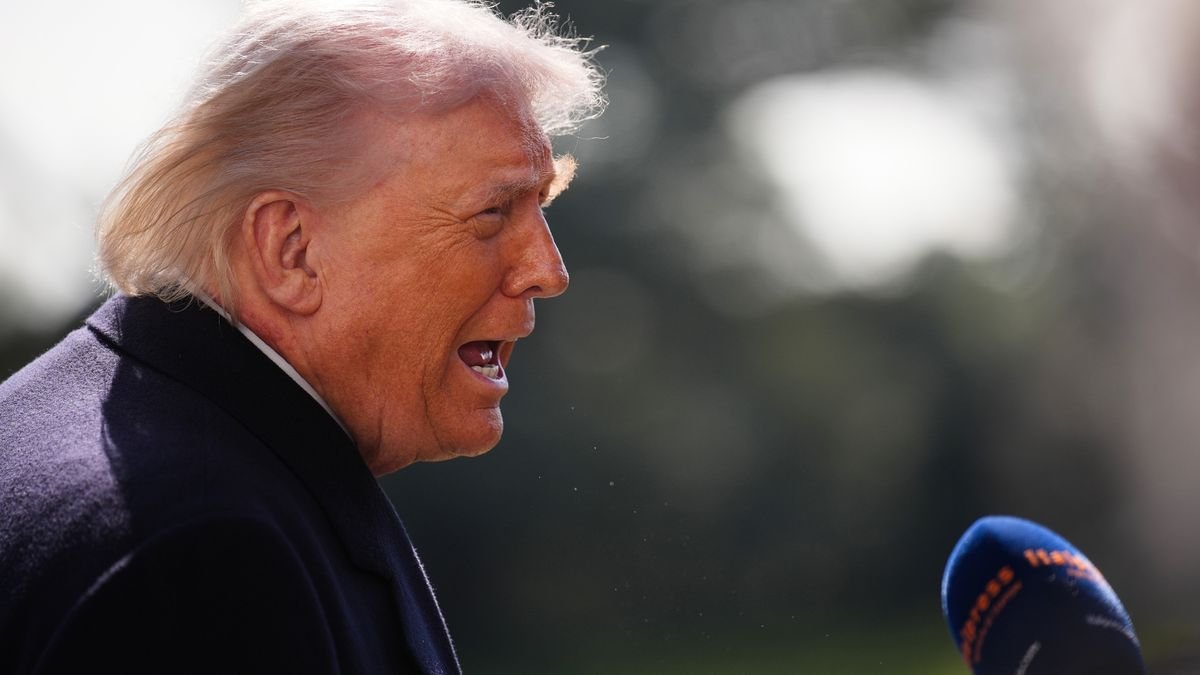

President Donald Trump made a significant announcement this morning, declaring that the United States had initiated military actions against Iran in collaboration with Israel. Despite the buildup to this move over recent weeks, the decision has left many puzzled for various reasons.
One of the key questions raised is the timing of the strikes. Just the previous night, Iran had reassured the international community of its commitment to refraining from developing nuclear weapons. This development had seemed to be a crucial point of contention. Additionally, the decision appears contradictory to the “America First” ideology that Trump champions, leading to concerns about its reception among his staunch supporters.
In a not entirely unexpected move, Trump confirmed through a video posted on Truth Social, donning a white ‘USA’ golf hat, that the US military had launched operations targeting Iran. The objective, as stated by Trump, was to eliminate imminent threats posed by the Iranian regime and safeguard the American populace by dismantling their missile capabilities. Israel had similarly announced its involvement in what they termed a “pre-emptive strike.”
Trump’s justification for the strikes stemmed from Iran’s alleged failure to provide an unequivocal commitment to forgo nuclear armament. Despite recent promises made during talks facilitated by Oman, where Iran pledged to refrain from stockpiling enriched uranium, Trump remained unconvinced. This action comes after Trump’s withdrawal from the 2015 nuclear deal with Iran that was brokered during the Obama administration.
The decision to launch these strikes can be attributed to several factors. Trump’s administration casts doubt on the progress made in negotiations facilitated by Oman, suspecting Iran of stalling to fortify their remaining nuclear facilities. Furthermore, internal unrest in Iran following recent protests has created a fragile environment within the country, potentially influencing the decision for military action.
Although Trump’s past promises included a commitment to avoiding costly foreign conflicts, his actions have contradicted this stance. The recent strike on Iran’s nuclear facilities has raised concerns among the American populace, with only a minority showing support for such aggressive measures. Surprisingly, among self-proclaimed “MAGA supporters,” backing for the attack surged, indicating a complex dynamic within Trump’s base.
While Trump emphasized the necessity of the strikes, he was cautious not to frame them as a prolonged conflict akin to previous military engagements. The approach seems geared towards swift and precise actions rather than prolonged involvement, aligning with preferences within Trump’s support base. The strategy appears to focus on facilitating a change in government in Iran, with hopes pinned on the Iranian people seizing the opportunity for transformation.
Amidst the uncertainties surrounding the outcome of these actions, Trump faces a significant gamble. With dwindling public support and precarious loyalty from his base, any escalation of the situation into a prolonged conflict could jeopardize his already fragile standing. The success of this risky move hinges on the aftermath and whether the replacement leadership in Iran proves to be an improvement over the current regime.