
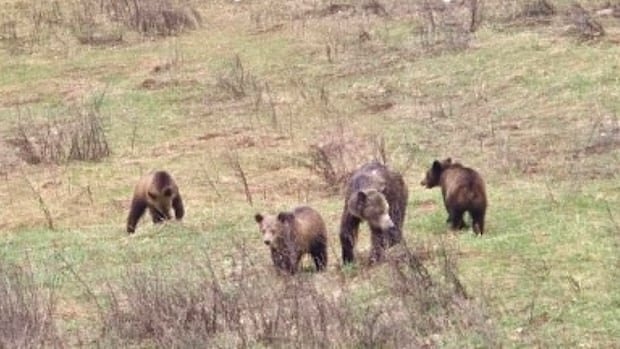

UPDATE:
- The B.C. Conservation Officer Service confirmed on August 14 that the mother grizzly bear was euthanized due to exhibiting food-conditioned behavior and losing fear of humans, posing a safety risk.
- Two remaining yearlings from the same family were relocated to an undisclosed location for monitoring.
- When contacted for an interview, the service declined to comment, as reported by CBC News.
Residents in Nelson, B.C., organized a rally on Thursday to voice their opposition to the decision by the B.C. Conservation Officer Service to put down a young grizzly bear.
The bear was part of one of two grizzly families frequently seen in and around Nelson.
Katie Graves, founder of the Ursa Project Society, described the rally as emotional, with tears and hugs being shared among participants.
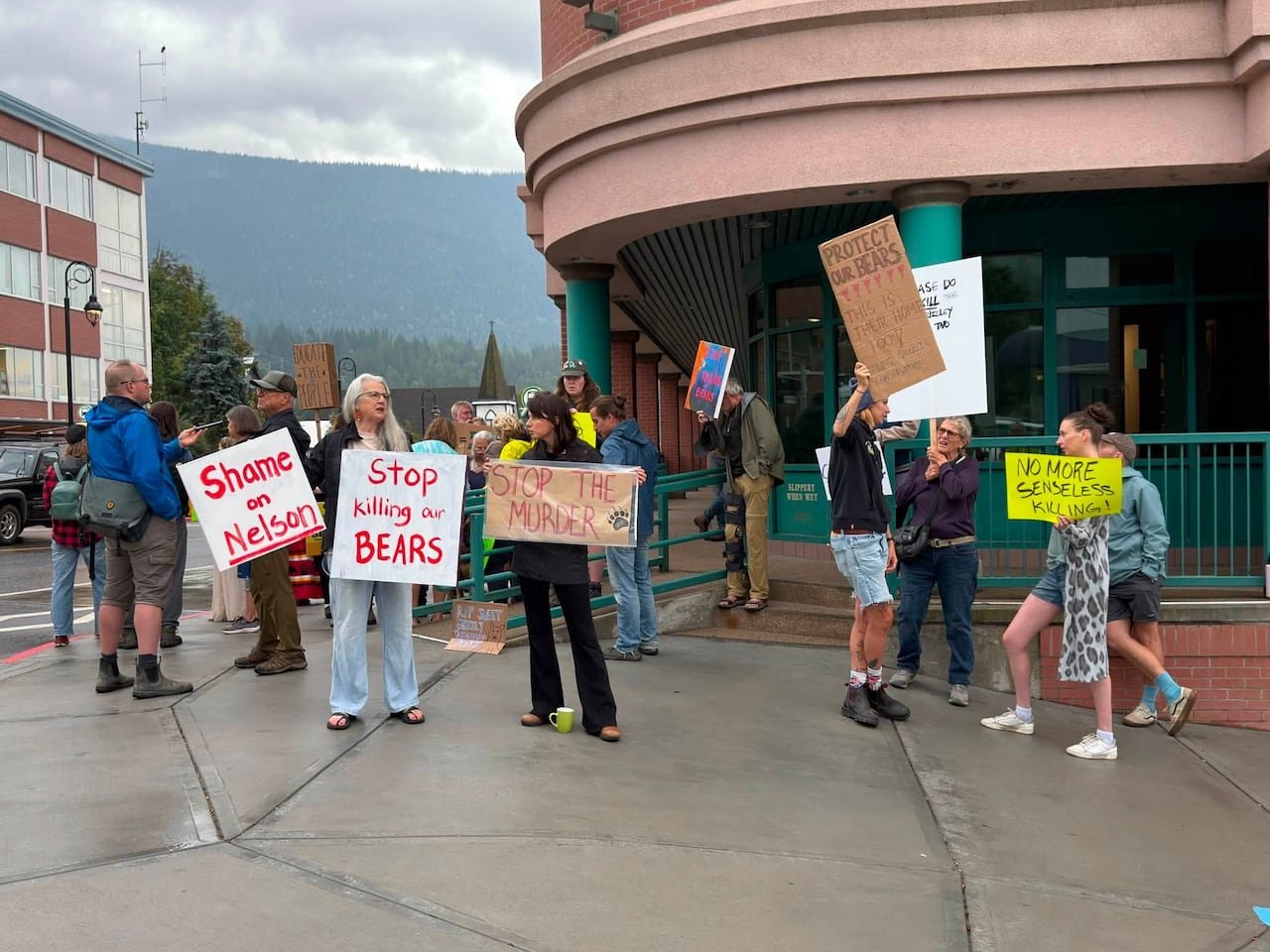
Graves argued that the yearling grizzly, despite a leg issue, was mobile, kept up with its family, and could feed itself.
She highlighted that many bears in the wild live fulfilling lives despite physical challenges, like being a “tripod.”
In a statement released by the B.C. Conservation Officer Service (BCCOS) on Wednesday, it was explained that due to the bear’s age, injury, and past conflicts, rehabilitation or relocation was not feasible. Details about the conflicts were not disclosed.
The BCCOS expressed regret over having to euthanize the bear, emphasizing that such decisions are made with careful consideration.
Graves mentioned that the mother bear had been relocated in 2023 after bringing cubs to the area, only to return shortly after.
The status of the other grizzlies, a sow and two yearlings, remains unknown, although the Conservation Service assured that any captured bears would undergo assessments for further actions.
The incident has stirred discussions on social media platforms, with many criticizing the decision to euthanize the grizzly bear.
While acknowledging the officers’ efforts to protect the public, some individuals suggested better management of garbage disposal and maintaining distance from bears to prevent such outcomes.
Wildlife biologist Clayton Lamb stressed the importance of implementing stricter policies to mitigate attractants that draw bears into urban areas.
Lamb emphasized that once bears become accustomed to human food sources, it becomes challenging to relocate or rehabilitate them, especially if they are comfortable in urban settings.
He underscored the need for proactive measures to prevent conflicts between bears and communities.
The City of Nelson disclosed its initiatives to prevent conflicts with wildlife, including installing bear-resistant garbage containers and conducting public education campaigns.
City authorities are enforcing regulations on waste management and wildlife attractants to ensure public safety and preserve the natural behavior of bears.