

U.S. President Donald Trump has called on Americans to embrace modestly higher gasoline prices to prevent Iran from acquiring nuclear weapons. He hinted at declaring the Strait of Hormuz as U.S. territory. This move poses a political risk for Trump as it contradicts his pledge to reduce energy costs, with Democrats gearing up to capitalize on the economic implications of a potential conflict with Iran in the upcoming November elections.
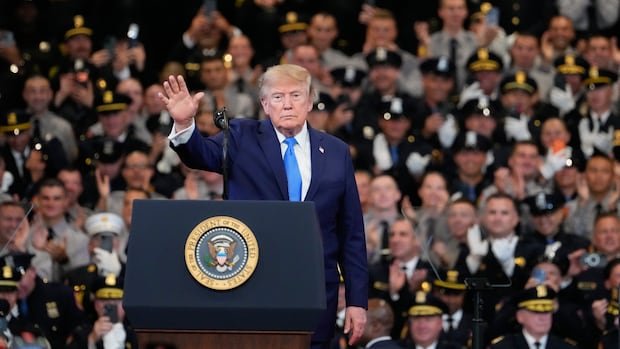
Speaking in Garden City, N.Y., Trump emphasized the importance of bearing a slightly increased gasoline cost to prevent a nuclear-armed “evil country.” He defended his administration’s actions, describing them as a global service and expressing no regrets about confronting Iran.
Approximately 20% of the world’s oil and LNG shipments pass through the strategic Strait of Hormuz, leading to heightened oil prices due to the potential disruption caused by ongoing tensions. Trump hinted at the possibility of declaring the strait as U.S. territory post the defeat of Iran, although the seriousness of his statement and its policy implications remain unclear.
In response to Trump’s remarks, Kazem Gharibabadi, Iran’s deputy foreign minister, dismissed the notion of the strait being controlled through tweets, military presence, or political speeches, asserting that Iran holds authority over its opening and closure.
These developments unfold against the backdrop of the Strait of Hormuz being a critical focal point for global energy markets, with oil prices on the rise, nearing $90 US a barrel for Brent crude, and U.S. gasoline prices reaching around $4 US per gallon.