
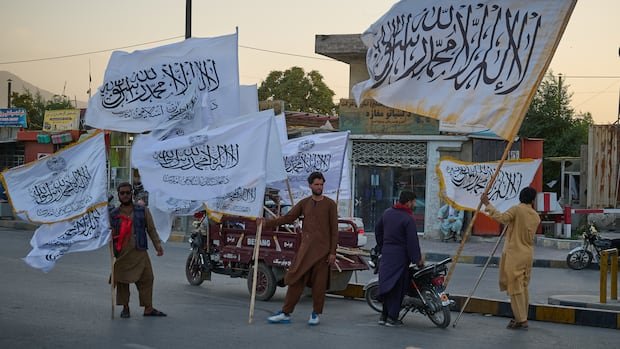

Five years ago, Abdul Razaq Khan, a former translator and facilitator for Canadian media during the Afghan conflict, received a late-night message from one of the journalists he had guided through the chaotic streets of Kandahar. Trying to rest in his Kabul residence after relocating due to the Canadian withdrawal from Afghanistan, Khan, now working at the American aid agency USAID, found himself confronted by the advancing Taliban in the summer of 2021.
The text inquired about his well-being, to which Khan responded, expressing the overwhelming sense of calamity. Fast forward to the present, settled securely in Canada, Khan reflects on the loss of his job, home, and country, grappling with the sequence of events that led to the rapid downfall of the western-supported government.
Forced to depart his homeland, Khan acknowledges the profound emotional toll of leaving one’s country against their will. He managed to escape on foot, crossing the Pakistani border just as the Taliban seized control of the Afghan capital, knowing that his association with Canadian media had put his life at risk.
The triumph of the Taliban not only uprooted hundreds of thousands of Afghans but also ushered in a regressive regime marked by the marginalization of women, suppression of free speech, and the enforcement of stringent moral doctrines through a dedicated ministry.
The plight of Afghan women, a focal point of western social initiatives during the conflict, has been particularly dire. The Zan Times, an advocacy group, highlighted the escalating violence against women in Afghanistan, revealing a disturbing trend of impunity for perpetrators, with only a fraction of cases resulting in arrests by Taliban authorities.
Efforts to safeguard and uphold women’s rights within Afghanistan have been limited post-collapse, with Western nations resorting to diplomatic censure and targeted sanctions as their primary responses. Despite the implementation of special humanitarian visa programs to evacuate high-risk individuals such as female judges, activists, and journalists, challenges persist in ensuring their safety and resettlement.
Organizations like Local Staff International and AfghanEvac released the Allied Ledger report, assessing the evacuation and resettlement efforts of allied nations, emphasizing the urgency of addressing the ongoing vulnerability of individuals under Taliban rule. While countries like Canada have resettled thousands of Afghans, there remains a pressing need to extend support to those still at risk in Afghanistan.
The Allied Ledger report serves as a reckoning of nations’ commitments to those who stood by American and NATO forces during the conflict, calling for sustained efforts to fulfill promises made to vulnerable individuals in this critical phase of recent history.