
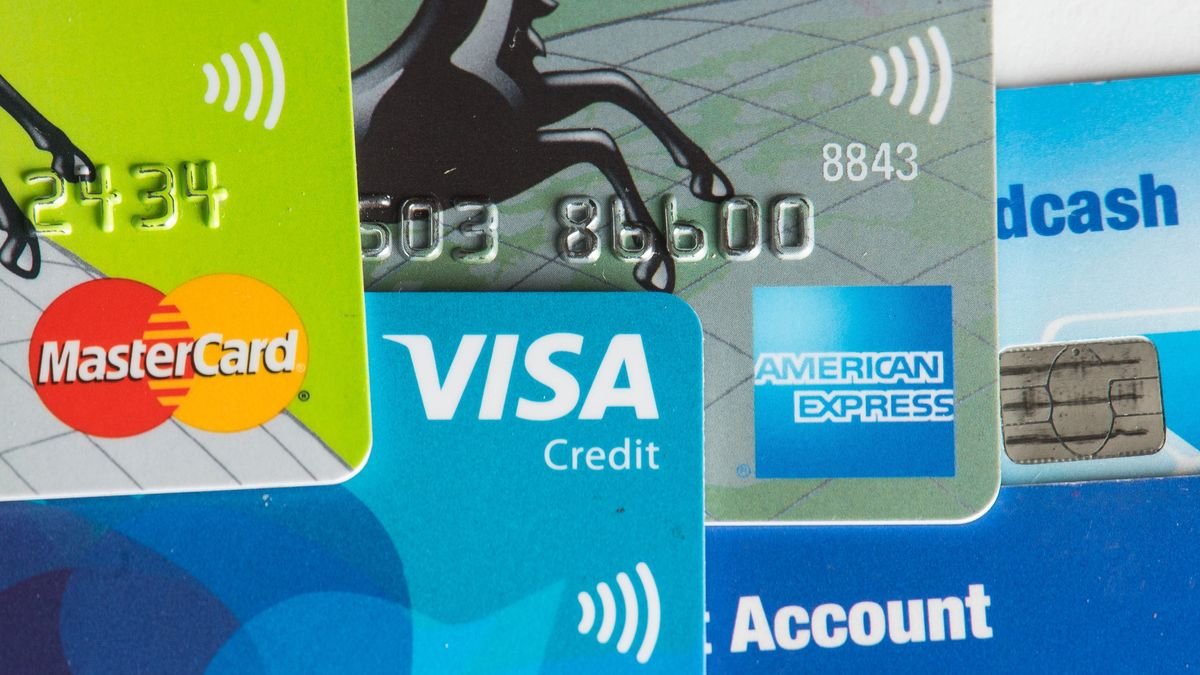

Millions of credit card users are facing the highest interest rates in over two decades, despite a general decrease in interest rates elsewhere. According to research by Moneyfacts, the average annual percentage rate (APR) on credit cards has surged to 35.8%, marking a record high since June 2006.
Rachel Springall, a finance expert at Moneyfactscompare.co.uk, highlighted the significant evolution in credit card usage over the past 20 years. While credit cards offer convenience and security, the borrowing costs have escalated. She emphasized the importance of fixed repayments to effectively manage debt.
This surge in credit card rates contrasts with the Bank of England’s base rate at 3.75%, potentially set for further decline. Credit card companies are currently imposing rates nearly 10 times higher than the Bank’s benchmark rate.
Despite the increased credit card rates, major banks like Barclays, through Barclaycard, have reported substantial profits, with UK credit card spending reaching £21.4 billion in November 2025. Data from UK Finance also indicates a slight decrease in the percentage of credit card balances incurring interest, hinting at a utilization of interest-free offers by many borrowers.
Philly Ponniah, a chartered wealth manager, expressed concerns over the mounting credit card balances and elevated rates, labeling it a risky combination that could hinder mortgage applications. She warned that high credit card debt could impact borrowing capacity and derail loan approvals due to financial strain signals.
Ranald Mitchell, a director at Charwin Mortgages, likened high credit card rates to a tax on financial vulnerability and cautioned against making minimum payments. He criticized the practice of basing business models on customers with limited financial flexibility, emphasizing the detrimental impact of continual interest accrual on individuals struggling to make ends meet.