
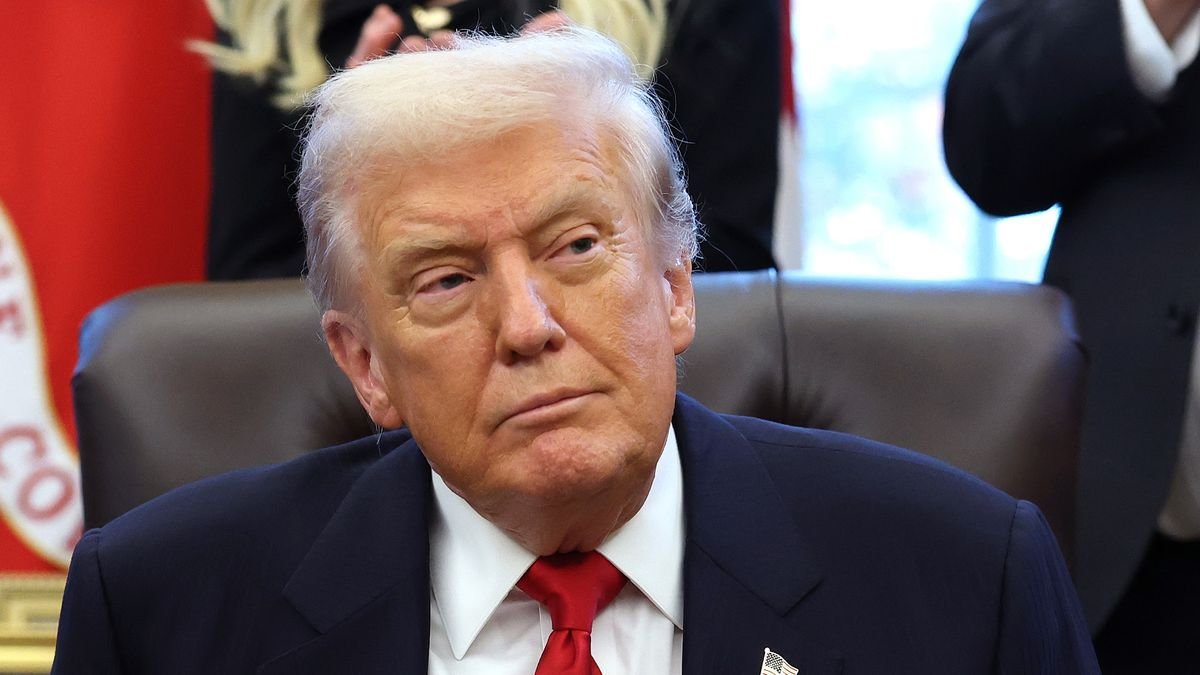

Millions of savers and employees in the UK are closely monitoring the unfolding events in the coming days. The recent threats of trade tariffs by Donald Trump have sparked concerns in the global economy and the vulnerable job market. The previous introduction of extensive tariffs on US imports by the President had a profound impact worldwide.
Despite efforts by Labour PM Keir Starmer to secure concessions, UK companies exporting to the US are still facing challenges due to increased costs for buyers. The imposition of additional taxes exacerbates the situation, creating more uncertainty for businesses adjusting to the new economic landscape. This could potentially force companies to make tough decisions such as cost-cutting measures, potentially leading to job cuts.
While the full implications remain uncertain, certain industries are particularly at risk. UK car manufacturers, including premium brands like Jaguar Land Rover and Rolls Royce, are poised to experience heightened costs for US consumers. This comes at a time when Jaguar Land Rover is still recovering from a cyber attack that disrupted production in the previous year.
Once again, Trump is leveraging tariff threats to assert dominance, as evidenced by his recent interest in Greenland. The targeting of NATO allies has added to the confusion and concern among observers. Stock markets have reacted negatively, with the FTSE 100 index in the UK experiencing an initial decline, albeit performing better than European markets. Such fluctuations have implications for workers with investments in equities through pension funds.
Although the FTSE began the year at record levels, the current crisis underscores the importance of monitoring developments closely. Predicting outcomes when Trump is involved remains a challenge. The prevailing uncertainty is likely to impact both companies and consumers, potentially leading to cautious spending behavior.
In 2026, the theme of fragility is pervasive, affecting the economy, job market, and consumer sentiment. Fragility implies vulnerability to external shocks, emphasizing the need for resilience in the face of uncertainty.