

In a relentless campaign, Russia has been targeting Ukrainian civilians in a cruel effort to dampen morale by using explosive drones to disrupt heating systems, despite the frigid temperatures plummeting to minus 16 degrees. However, these tactics have proven ineffective in bolstering their military campaign.
The ongoing conflict in eastern Ukraine has seen slow advancements near Borova in the Kostyantynivka-Druzhkivka region, contrasting with significant progress made by Ukrainian troops in the war-torn Zaporizhzhia area. Notably, Ukrainian forces have successfully targeted Iranian-designed Shahed drones, crippling Vladimir Putin’s financial resources fueling the war.
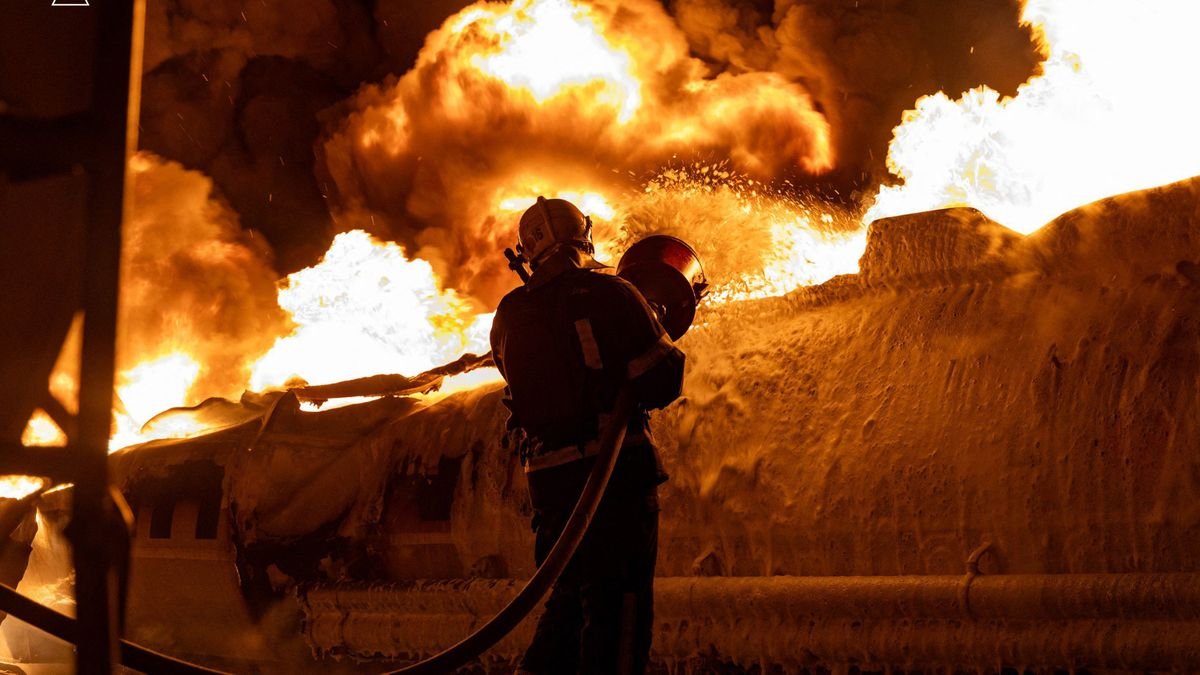
Today, Kyiv struck a blow against Moscow’s war efforts by attacking the Slavyansk-na-Kubani oil refinery in Russia’s Krasnodar region, resulting in massive fires. Concurrently, peace talks involving Ukrainian, US, and Russian military and diplomatic representatives have been ongoing in Abu Dhabi, with Ukrainian President Volodymyr Zelensky describing the discussions as “constructive.”
While Zelensky remains optimistic about peacetime security agreements with the US, Russian President Putin has reiterated intentions to forcefully acquire Ukraine’s Donbas region, currently under Russian control. This stance, linked to the “Anchorage formula,” allegedly agreed upon between Putin and former US President Donald Trump, has put Ukraine in a delicate position during the ongoing negotiations.
Faced with Russian aggression, Ukraine continues to disrupt Putin’s energy exports, strategically maneuvering amidst a complex geopolitical landscape. Zelensky’s administration remains steadfast in their resistance against Russian forces, relying on European support amid escalating tensions and military build-ups in the region.
Despite Putin’s plans to increase troop mobilization, Ukraine remains resolute in its defense, with hopes pinned on international backing and internal discord within Russia as potential distractions. As Ukraine navigates these challenges, the nation’s strategic hits on Russian energy infrastructure underscore its determination to resist external pressures and maintain its stance against Moscow.