
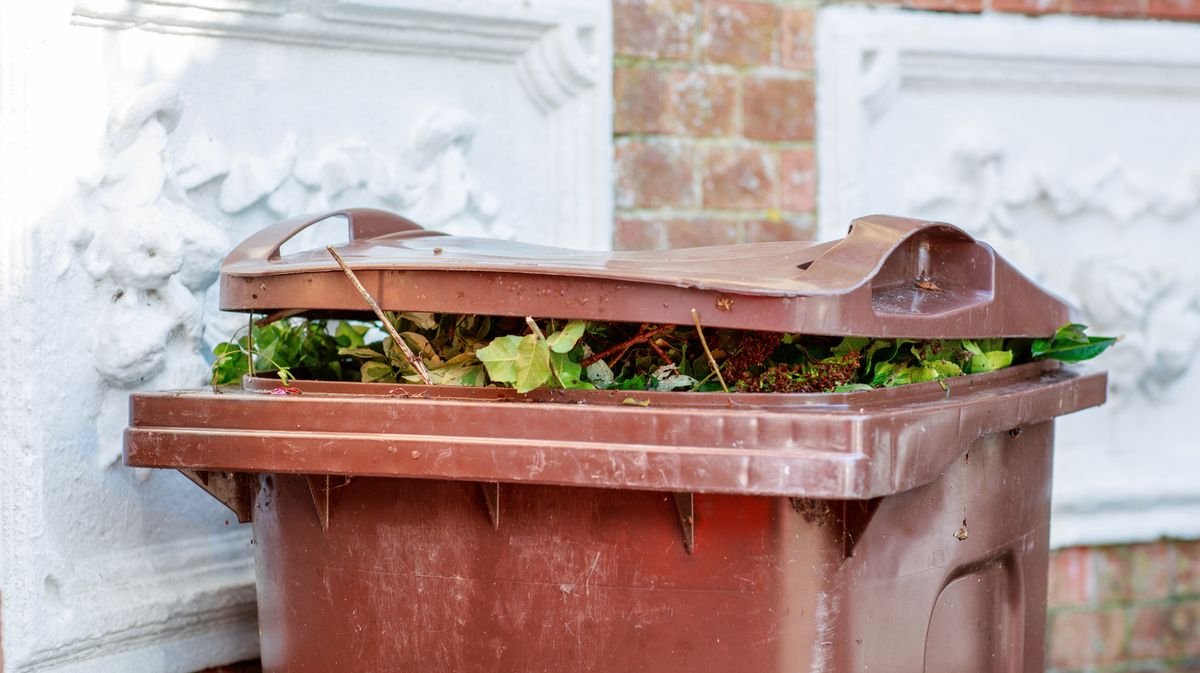

Spring presents the perfect opportunity to tend to gardens and give them a refresh before the arrival of summer. Many households in England are actively engaged in mowing lawns, trimming hedges, and enhancing the appearance of their plants.
However, there is a new set of regulations regarding the disposal of garden waste that households need to be aware of. England has witnessed significant changes in recycling practices this year, impacting how garden waste is managed.
Failure to adhere to the updated guidelines could result in non-collection of bins. The recent Simpler Recycling reforms in the UK, mandated under the Environment Act 2021, require businesses and households in England to adopt consistent and compulsory recycling practices.
The revised protocols now involve distinct collections for various waste categories like food waste, paper and card, glass, metal, and plastic. Local authorities are tasked with providing clear guidance on what items can and cannot be recycled.
While some local councils are exempt from these regulations until at least 2040, it is essential to verify with your local authority to confirm if the new rules apply in your area.
Under the new regulations, local authorities are no longer obligated to collect certain garden items for recycling. Some councils may accept used hay, straw, and animal bedding in garden waste collections, but it is no longer a requirement. Old pet blankets or fabric-made pet beds can be recycled at designated Recycling Centers.
For bulky garden waste, some councils offer one-off collections that may involve a fee. Alternatively, individuals can opt to take such waste to Recycling Centers or utilize private waste removal services.
Tools in good condition can be donated to charity shops or local community projects. If tools are no longer functional, it is advisable to take them to a Recycling Center for proper disposal.
Plant pots are no longer collected by local authorities. Some garden centers operate plant pot take-back schemes. Recycle Now has highlighted that black plant pots contain pigments that make them challenging to detect during plastic sorting, necessitating their disposal in waste bins.
While most plastic packaging is recyclable, some types may not be suitable for recycling. It is recommended to check the plastic composition of items intended for recycling and take any doubtful items to Recycling Centers for proper handling.
Old sand can be incorporated into home compost piles or used as a base for potted plants. Sawdust is generally not accepted in recycling programs; it should be sealed in a plastic bag and disposed of in the general waste bin or through professional waste collection services.
Items like tea bags and coffee grounds are no longer collected by local authorities. It is advised to compost these items at home, following the guidelines applicable in your area. For larger items, cutting them into smaller pieces may be necessary, or they can be disposed of through professional waste removal services or at Recycling Centers.