
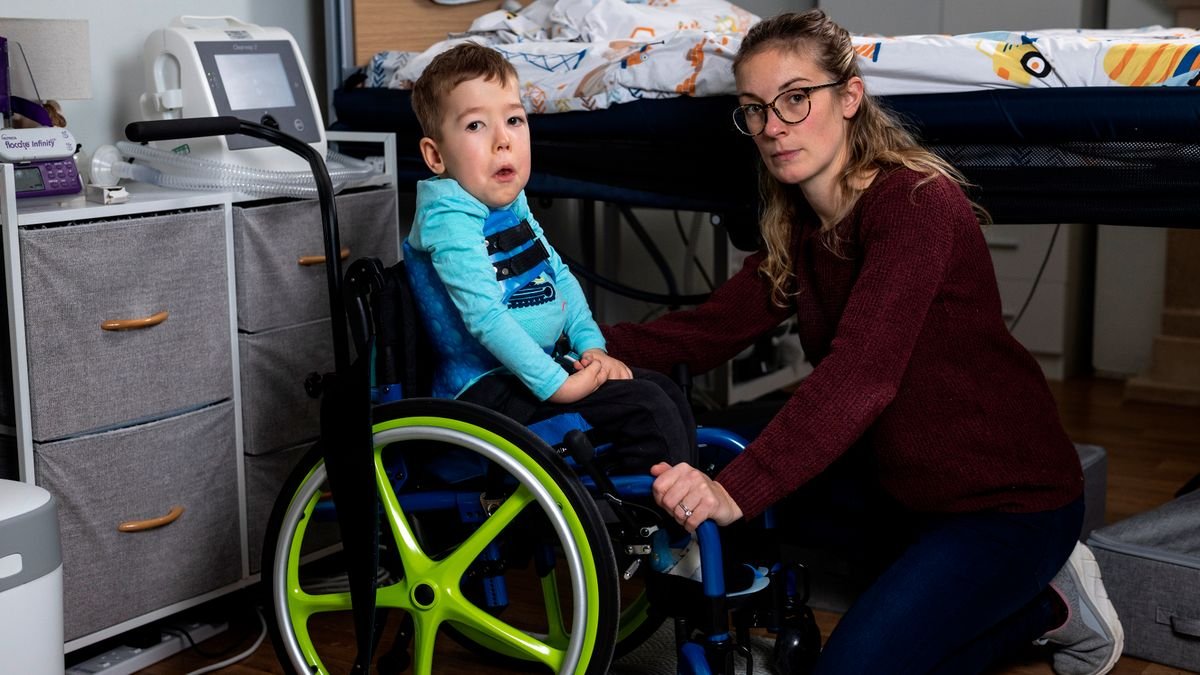

Having a baby is often a challenging and stressful time for parents, but those with children diagnosed with spinal muscular atrophy (SMA) share similar experiences. These parents are not only devastated by the late diagnosis due to NHS failures but also burdened with guilt.
Initially, parents leave the hospital with seemingly healthy babies, only to notice subtle changes over time. Symptoms like reduced leg movement, breathing difficulties, and feeding challenges start to appear. Despite raising concerns with healthcare professionals, reassurances of the baby being “fine” lead to weight loss, hospital readmissions, and even intensive care stays for common infections.
In many cases, it takes parents researching symptoms online to self-diagnose SMA in their child. Subsequently, doctors confirm the diagnosis through a simple blood test, but irreversible damage may have already occurred. The condition stems from an inherited genetic flaw in the SMN1 gene, affecting nerve cell health and leading to muscle degeneration.
Fortunately, the NHS offers life-saving treatments that correct the faulty gene or provide necessary proteins to prevent further muscle deterioration. However, parents are left grappling with the knowledge that earlier intervention could have led to a more normal life for their child.
The lack of awareness and delayed diagnosis highlight a systemic issue within NHS maternity care, urging for universal SMA screening for newborns. The SMA community offers invaluable support to affected families, emphasizing hope amidst challenges.
Treated children can lead fulfilling lives, attend school, make friends, and bring joy, showcasing cognitive abilities comparable to their peers. While the future remains uncertain, these children represent a new generation of SMA survivors, thanks to advanced treatments.
Efforts by resilient SMA parents, supported by public figures like pop singer Jesy Nelson, have pushed for SMA screening inclusion in routine NHS tests. Health Secretary Wes Streeting is advocating for this change, aiming to prevent future instances of delayed diagnosis and its repercussions.
When SMA screening becomes standard practice, credit will be due to the dedicated parents who tirelessly campaigned to spare others from the anguish they endured. The ongoing advocacy work underscores the importance of early detection and timely interventions in improving outcomes for children with SMA.