
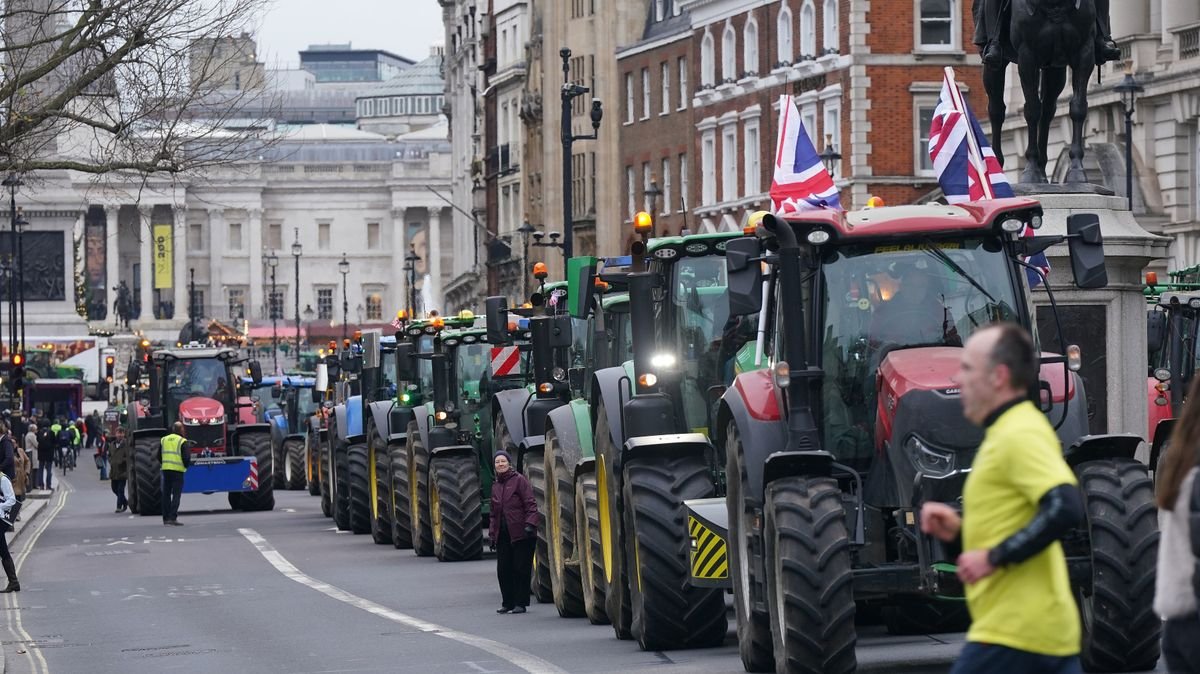

The Government has reversed its decision to expand inheritance tax to include farms, following strong opposition from farmers. The initial proposal, announced during last year’s Budget, aimed to impose a 20% tax on inherited agricultural assets exceeding £1 million starting in April 2026. However, due to widespread protests and concerns from Labour backbenchers, the Government has now announced a significant revision. The threshold for taxable inherited agricultural assets has been raised from £1 million to £2.5 million, with the new regulations set to take effect in April 2026.
This adjustment will lead to a notable reduction in the number of farms subject to increased inheritance tax liabilities, ensuring that only the largest estates are impacted. Environment Secretary Emma Reynolds emphasized the importance of supporting British farmers, stating that the changes aim to safeguard ordinary family farms. The individual threshold has been increased to £2.5 million, meaning that couples with estates valued up to £5 million will no longer be liable for inheritance tax on their assets. Reynolds stressed the principle of larger estates contributing more while emphasizing the critical role of farms and businesses in rural communities.
NFU president Tom Bradshaw welcomed the announcement, describing it as a significant relief for many family farms and a substantial reduction in tax burdens. He expressed gratitude for the reconsideration, highlighting the challenges faced by the farming community following previous changes to Agriculture Property Relief and Business Property Relief. Bradshaw commended the government for listening to feedback and making adjustments based on common sense.
Meanwhile, the Liberal Democrats have called for the complete elimination of what they view as an unjust tax, asserting that numerous family farms may still struggle financially and struggle to meet minimum wage requirements.