
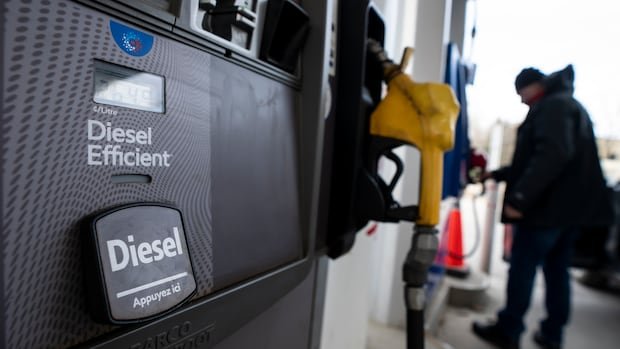

Fuel prices for diesel are surging, primarily due to global conflicts, resulting in significant costs for truck operators in Canada. Tej Dulat from the Canada Truck Operators Association highlighted the challenges faced by commercial truck operators, who consume substantial amounts of fuel weekly. The recent spike in diesel prices, especially since the 2022 Russia-Ukraine conflict, has severely impacted the industry’s margins.
Diesel prices in Canada have soared to $2.62 per litre, surpassing previous highs, with Vancouver reaching $2.92 per litre. The U.S. also experienced record-high diesel prices, exceeding $6 per gallon. Geopolitical tensions, rather than tariffs, are currently driving the surge in oil prices and impacting various industries, including agriculture, where farmers are facing increased costs.
The shortage of diesel is exacerbated by geopolitical factors limiting exports, such as Russia’s ban on diesel exports. In response to the escalating prices, the government extended the suspension of the federal fuel excise tax. However, experts warn that these measures may not sufficiently alleviate the financial burden on consumers and businesses.
The ongoing U.S.-Iran conflict continues to influence gas prices, potentially leading to broader inflationary effects. Concerns are raised about the potential impact on the Canadian economy if the situation worsens. Energy analyst Dan McTeague predicts a costly winter ahead, with implications for transportation and consumer goods due to rising diesel prices.
Experts anticipate a prolonged period of elevated food prices, attributing the situation to multiple factors, including extreme weather affecting harvests. Evan Fraser from the University of Guelph expresses concerns about a “new normal” of higher food prices and challenges in global food production and trade. The impact of rising diesel prices on the food supply chain is expected to be significant, affecting various sectors and potentially leading to sustained inflation.