
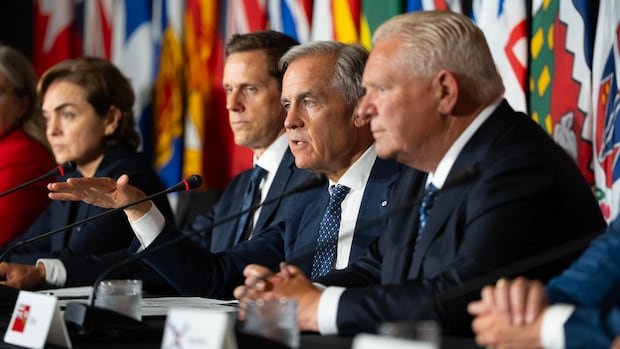

Negotiators in Canada are concerned about the impending U.S. tariffs set to take effect on Wednesday, with fears growing that it may be challenging to avoid them. Ottawa is facing challenges in persuading Washington to lift existing sectoral tariffs and convincing provinces to remove restrictions on American alcohol. Sources familiar with the negotiations, both in Canada and the U.S., have been updated on the progress and have been granted confidentiality to discuss the talks openly.
Efforts to reach a comprehensive agreement with the U.S. have been ongoing, with Canada aiming to see the new 50 percent tariffs on nearly $28 billion worth of Canadian goods dropped. Additionally, there is a push for a reduction in existing sectoral tariffs affecting industries like steel, aluminum, auto, and lumber. The current tariffs on steel and aluminum stand at 50 percent, while auto tariffs are at 25 percent.
Provinces are holding out on lifting their bans on American alcohol, linking their stance to Washington offering relief on tariffs that impact their industries. This standoff is causing concerns among negotiators, who worry that a deal might not materialize if provincial opposition persists.
The federal government has communicated to provinces that concessions need to be made regarding issues raised by the Trump administration, including provincial bans on U.S. alcohol, dairy import quotas, and retaliatory tariffs on U.S. autos. Resolving these disputes is a prerequisite to avoiding the impending tariffs.
Provinces play a crucial role in the negotiations, particularly in lifting alcohol bans as they have the authority to do so. The divide among provinces on this matter is complicating the negotiations further. Provinces like Alberta and Saskatchewan have resumed the sale of U.S. alcohol, while others remain steadfast in their bans.
Quebec is adamant about preserving its supply management system for dairy, a contentious issue in trade discussions with the U.S. The U.S. administration has been critical of Canadian dairy market access for American farmers.
British Columbia’s Premier insists that softwood lumber tariffs must also be addressed in the trade talks. However, the current U.S. proposal does not offer significant reductions in softwood lumber tariffs. This issue, along with other trade concerns, needs to be resolved to avert the looming tariffs.
Unity among provinces is crucial in dealing with the trade negotiations, with the U.S. showing reluctance to extend the deadline. The Trump administration’s tactics have been viewed as causing division between Canada and the provinces, making it challenging to reach a consensus.
In a recent statement, Canadian officials emphasized the importance of a unified approach in the negotiations. The possibility of talks ending without a deal has been looming, with both sides grappling to find common ground before the tariff deadline.
The Canadian side has been firm in expressing that there is little appetite for continued talks if the tariffs are implemented. The coming days are crucial as efforts are made to bridge the gaps and secure a favorable trade agreement with the U.S.