

Canada and the United States are currently in a standoff as they work towards a tariff agreement before U.S. President Donald Trump’s impending tariff deadline. Recent negotiations have not led to a satisfactory deal, as Canadian officials are discontent with the latest offer from the U.S., as revealed by informed sources.
The American side presented a new proposal on Tuesday, aiming to reduce certain sectoral tariffs, but the extent of the reduction falls short of what Canada desires. Both sides are engaged in ongoing discussions to avert the imposition of a 50 per cent levy on hundreds of Canadian goods, scheduled to take effect on August 19, in addition to the existing sectoral tariffs.
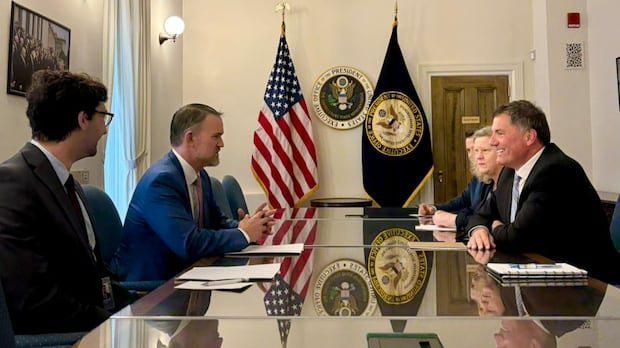
The U.S. is pushing for a comprehensive deal that includes access to critical minerals in Canada, as well as provisions covering security and energy matters. Canadian Trade Minister Dominic LeBlanc has been actively meeting with U.S. Trade Representative Jamieson Greer in Washington to find common ground and present a potential trade agreement to President Trump.
Sources have disclosed that the Canadian delegation has strongly emphasized to the American counterparts that further talks would face significant resistance from the Canadian public if the August 19 tariffs were imposed. Both parties have committed to daily meetings at various levels leading up to the looming deadline.
Despite Canada’s efforts to dissuade the U.S. from implementing new tariffs, the focus remains on seeking relief from the current tariffs on Canadian steel, aluminum, lumber, and automobiles. Additionally, there is hope that the ongoing trade discussions will lead to the renewal of the Canada-U.S.-Mexico Agreement (CUSMA), following the Trump administration’s recent decision not to extend the agreement beyond 2036.
Conservative Leader Pierre Poilievre has urged for a robust stance in the negotiations, emphasizing the importance of securing favorable terms for Canada, including zero tariffs on softwood lumber, an end to sectoral tariffs on steel and aluminum, tariff-free auto agreements, and exemptions from Buy America regulations across all government infrastructure projects.
Industry insiders have indicated that Canada is prepared to address some U.S. demands, such as lifting alcohol bans, in exchange for tariff relief. Both countries continue to navigate the complexities of trade negotiations with a sense of urgency as the tariff deadline approaches.