
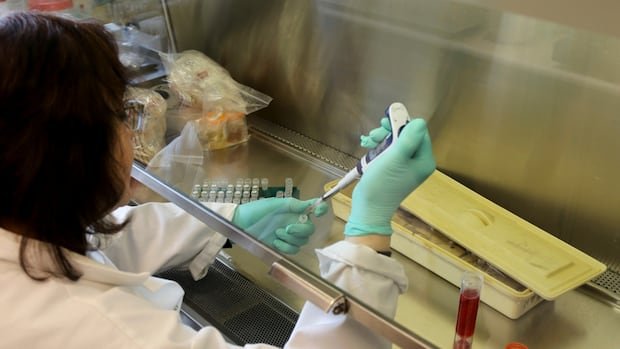

The construction of a $267-million medical countermeasures laboratory in Winnipeg, as planned by Canada, is seen as a crucial measure to prevent future pandemics, according to experts. However, concerns have been raised regarding the sustainability of the facility in terms of long-term funding, staffing, and governance.
Last week, the federal government awarded a $10.2-million design contract for the facility, which is expected to be operational by 2033 adjacent to Winnipeg’s National Microbiology Laboratory (NML). The new lab is intended to fill a critical gap in testing early-stage vaccines, therapeutics, and diagnostic tools. Health researchers emphasize the importance of ongoing investments in human resources to ensure the facility’s success.
Dr. Joanne Liu from McGill University’s School of Population and Global Health highlighted the necessity of not only constructing the building but also nurturing the human talent required to establish a world-class center. The facility aims to address the preclinical bottleneck by providing space for lab and animal testing within Canada’s research and development pipeline.
Steven Guercio, the COO of NML, mentioned that due to space limitations, the NML sometimes repurposes lab facilities meant for high-risk pathogen research for preclinical tests. The new lab will offer opportunities for industry and academic partners to utilize the space with appropriate agreements and screenings in place.
Experts, including Keith Fowke from the Canadian Institutes of Health Research, emphasize the importance of expanding Canada’s capacity for preclinical trials. They stress the need for sustained funding and stability over the long term to advance research and development activities effectively.
Dr. Liu highlighted the significance of investing in pandemic research consistently, even during periods when there is no immediate health threat. Concerns were raised regarding recent staff cuts at the NML and the importance of attracting top talent to drive relevant research initiatives.
Gary Kobinger, a former NML scientist, emphasized the importance of stable funding and governance for the success of the countermeasures lab. He cautioned against potential red tape and funding challenges if the facility is solely government-run. Kobinger cited previous challenges faced during the development of the Ebola vaccine and underscored the need for a clear vision and commitment to advancing research activities.
While PHAC defended its efforts, citing significant federal investments in the life sciences sector since 2018, Kobinger stressed the importance of avoiding past mistakes with respect to patents and administrative procedures. The success of the project, he emphasized, will heavily rely on effective leadership and operational strategies within the government.