
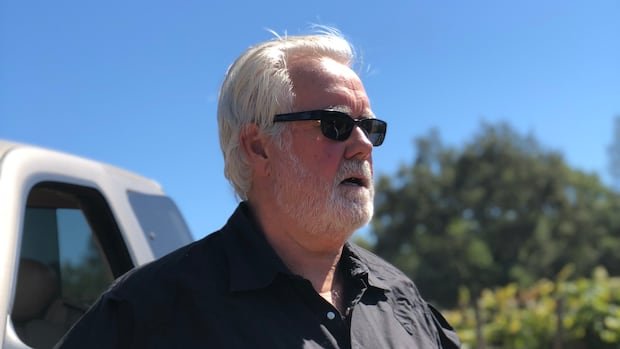

Bill Easton used to have regular shipments of Syrah to Montreal from his winery in California’s Sierra Foothills. However, when Quebec banned American alcohol last spring, his routine shifted to monthly storage payments for the wine intended for the Quebec market. This change has left winemakers like Easton puzzled as their livelihoods have become bargaining chips in international trade negotiations.
The trade tensions prompted Canadian provinces to halt U.S. alcohol distribution in response to tariffs imposed by President Donald Trump. In a bid to avert further tariffs on Canadian goods, Prime Minister Mark Carney urged provinces to reconsider lifting the ban on American alcohol products. While some premiers are open to the idea pending favorable terms, others are cautious, wary of losing leverage in the trade dispute.
The uncertainty has impacted American wineries and distillers, leading to significant revenue losses. For instance, wine exports from the U.S. to Canada plummeted by $343 million between 2024 and 2025. This decline, coupled with the disruption in trade relations, has strained the industry.
Despite the trade challenges, there are efforts to rebuild trust and restore trade relationships between the U.S. and Canada. The Oregon Wine Growers Association, representing a substantial share of Oregon’s wine production, emphasizes the need for stable trade conditions to foster long-term partnerships.
The Distilled Spirits Council of the United States has also voiced concerns over the decline in bourbon exports to Canada and called for a negotiated solution to resume spirits trade. Industry players hope for a resolution to the trade impasse to revive cross-border commerce.
As the trade saga unfolds, stakeholders like Easton remain optimistic yet cautious about the future. The uncertainty surrounding the reinstatement of American alcohol products in Canadian markets underscores the complex dynamics at play in the ongoing trade negotiations.