
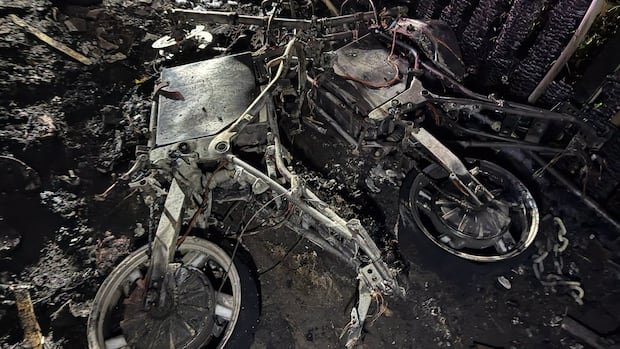

Firefighters have expressed concerns over the dangers posed by lithium battery fires, particularly in e-bikes stored in homes, as seen in recent incidents in Toronto and Peterborough, Ontario, along with a fire at a solar farm in Prince Edward Island. These incidents have led to restrictions on electric bikes and cars in various settings, such as buildings, public transit, and ferries, impacting those who depend on these modes of transportation. Additionally, these fires have instilled fear in some individuals, deterring them from adopting electric vehicles.
As Fire Prevention Week is underway, the focus is on lithium battery safety. The risks associated with lithium battery fires stem from the increasing prevalence of lithium battery-powered devices, with an estimated 1,500 fires ignited by lithium batteries in 600 communities across Canada last year. These incidents are more common in devices used in households, particularly e-bikes and e-scooters.
While electric vehicle (EV) and energy storage batteries undergo stringent testing and incorporate safety features like temperature sensors and cooling systems, lithium battery fires remain a concern. EV fire statistics in Canada are not widely available, but data from the U.S. suggests that they are significantly rare compared to fires in gasoline-powered vehicles.
To minimize the risks of lithium battery fires, it is crucial to purchase certified batteries with safety labels and avoid modifying them for faster charging. Proper charging practices, such as using the correct charger and charging devices on non-combustible surfaces, are essential. Disposing of damaged batteries at designated battery-recycling dropoff sites is recommended to prevent potential hazards. Firefighters emphasize the challenges associated with extinguishing lithium battery fires, as they burn hotter and faster than other fires, requiring significant amounts of water to control.
In situations where lithium battery fires occur, experts suggest allowing the fire to burn out, as attempting to extinguish it with water may prolong the fire and lead to potential reignition. Furthermore, the toxic byproducts generated during these fires present additional risks to firefighters and the environment, underscoring the importance of proper handling and disposal protocols for lithium batteries.