
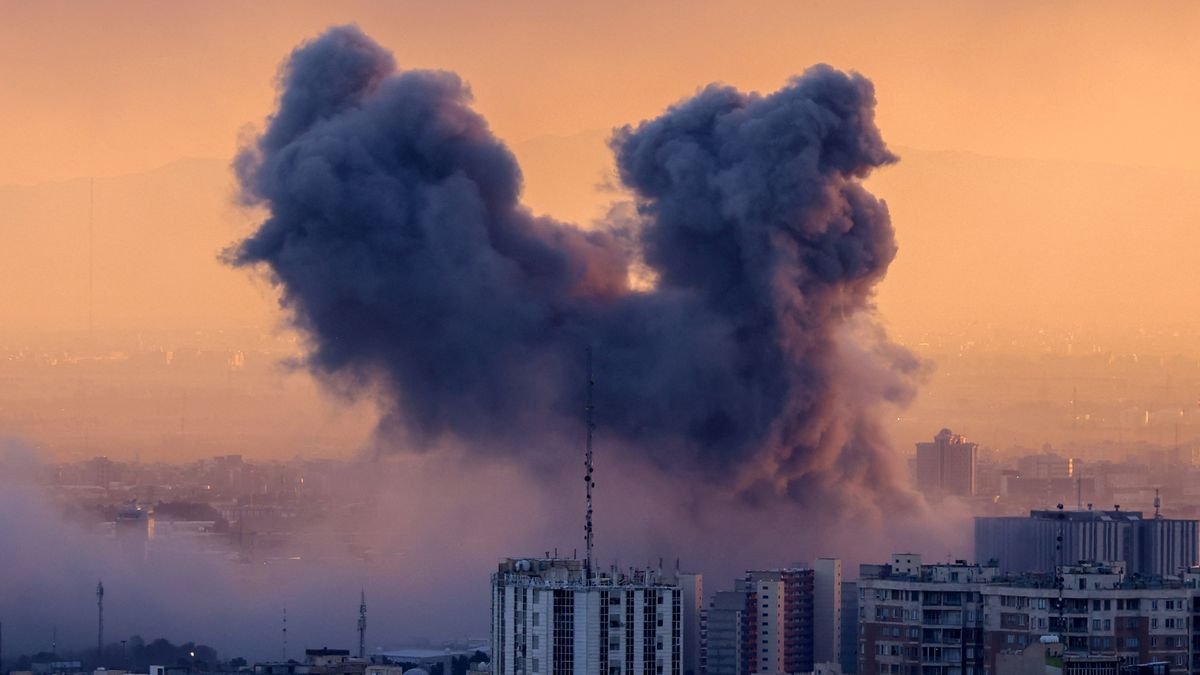

Tensions escalate in the US-Israeli conflict with Iran as each side strategizes their use of weaponry, including missiles, bombs, drones, and defense systems. Iran is pursuing a war of attrition, prioritizing endurance despite casualties surpassing 1,000 and aiming to disrupt the economies of neighboring Gulf States to gain leverage. With limited and relatively unsophisticated missiles, rockets, and drones, Iran’s attacks present challenges in interception.
Recent incidents in Jordan saw UK Typhoons and F-35B jets successfully intercept drones, highlighting the effectiveness of simpler methods like machine guns against slow-moving drones. As the conflict progresses, the US and Israel face the challenge of managing their defensive missile resources efficiently to sustain their defense capabilities.
Iran’s diminishing missile stockpile indicates efforts to moderate their engagement rate, while the US and Israel aim to avoid prolonged conflict to preserve their defensive reserves. Despite predictions that Iran can sustain missile attacks for several days, concerns linger that this estimate may underestimate the conflict’s duration, potentially extending into weeks.
Iran’s strategy may involve outlasting the interceptor missile supplies of the US, Israel, and their allies to compel a ceasefire, with all parties seeking to claim a semblance of victory amid the devastating toll on lives, global economy, and world stability. The conflict’s impact extends to the potential targeting of energy facilities in the region, raising the stakes for all involved.
Former Israeli military intelligence operative Danny Citrinowicz highlights Iran’s substantial missile and drone arsenal but underlines the importance of strategic resource management to sustain a prolonged conflict. The looming threat of further escalation, including attacks on energy infrastructure, underscores the complexity and risks involved in the ongoing conflict.
The evolving dynamics of the conflict underscore the delicate balance of power and resources between the involved parties, with the outcome hinging on strategic decisions amid escalating tensions.