
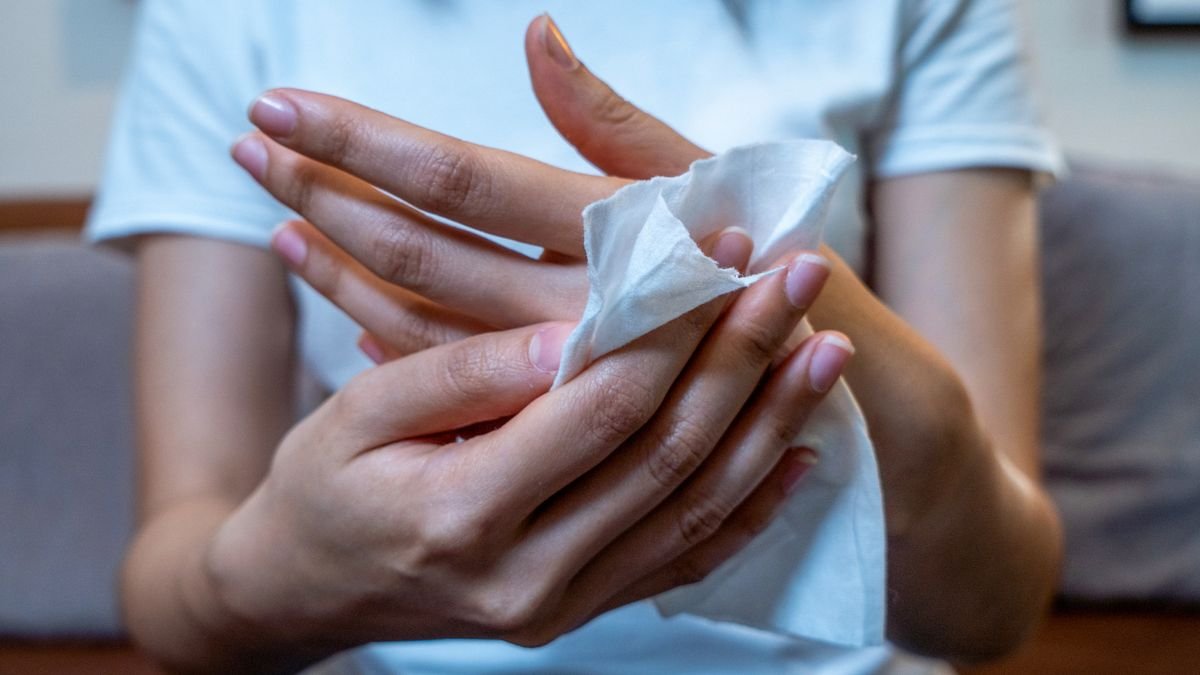

In the coming months, a new legislation will be implemented in all four UK regions to prohibit the use of disposable wet wipes containing plastic. These wipes are a significant environmental concern due to the durable nature of the plastic fibers they contain.
The presence of these plastic-based wet wipes in sewers causes blockages, contributes to ongoing microplastic pollution in water bodies, and plays a role in greenhouse gas emissions during their manufacturing process. Additionally, these wipes are a common source of marine litter, breaking down into harmful microplastics over time and impacting the environment.
The UK is taking steps to phase out single-use plastic wet wipes through unified regulations across the entire nation. The ban on the sale and distribution of these wipes will commence in Wales on December 18, 2026.
Subsequently, the ban will be enforced in England on May 19, 2027, Northern Ireland on May 18, 2027, and Scotland on August 11, 2027. Both online and in-person sales of plastic-containing wet wipes will be prohibited from these dates, including those used for personal hygiene and cleaning purposes.
Following public consultation where 95% supported the ban, the government emphasized that plastic-free wet wipes are exempt from the prohibition. Reusable wet wipes labeled as “plastic-free” and designed for multiple uses are also not covered by the ban.
While wet wipes with plastic content remain permissible for medical use, healthcare providers can prescribe and distribute them. Registered pharmacies are allowed to sell plastic-containing wet wipes only upon customer request, refraining from displaying or promoting them in-store.
Manufacturers and wholesalers can still supply plastic-based wet wipes to businesses, charities, and public sector entities. However, individual customers cannot purchase these wipes directly, except through registered pharmacies.
To ensure compliance, local authorities will conduct inspections and enforce penalties for violations. Offenders may face fines and be required to cover investigation expenses. Inspectors have the authority to take various actions to uphold the regulations.
In 2021, the UK market saw 30 billion wet wipes, with an estimated 26 billion containing plastic. Data from DEFRA Beach Litter Monitoring revealed an average of 20 plastic-containing wet wipes per 100 meters of surveyed beaches from 2015 to 2020.
Consumers are advised against flushing wet wipes, as many supposedly flushable wipes do not disintegrate rapidly in sewage systems. Besides the plastics within the wipes, improper disposal can contribute to fatbergs, leading to the spread of macro- and microplastics into the environment.
Despite claims of biodegradability, studies suggest that even biodegradable wet wipes may take considerable time to break down. Research conducted at Cardiff University showed that supposedly biodegradable wipes release non-degradable microfibers, posing environmental concerns.
For efficient access to valuable news content, opt for Daily Mirror as a ‘Preferred Source’ on Google News.