
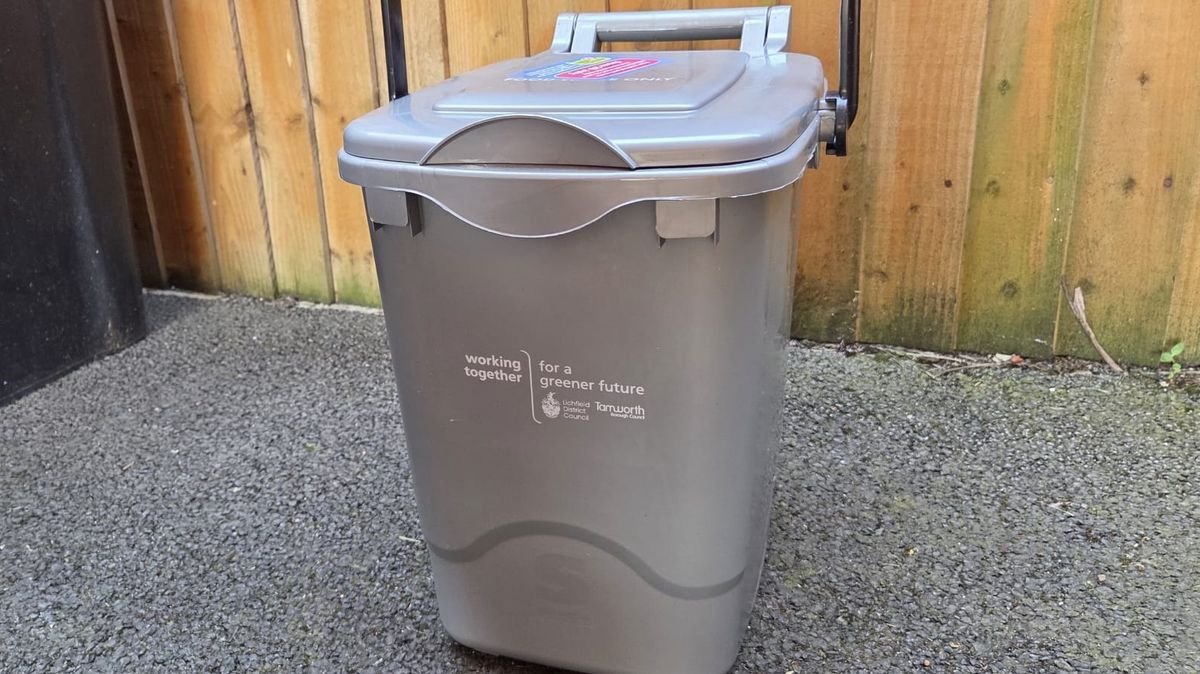

Residents in various parts of England are starting to receive new food waste recycling bins from their local councils as part of recent government regulations. Beginning in March 2026, all local authorities in England are required to collect food waste from households on a weekly basis as part of the Simpler Recycling initiative.
The Simpler Recycling program, implemented by the government, aims to boost recycling rates and decrease the amount of waste sent to landfills or incinerators. The collected waste is processed at anaerobic digestion facilities to produce renewable energy and fertilizer.
Despite the legal requirements, approximately one-third of councils are experiencing delays in distributing the new bins due to existing waste contracts. As a result, not all households have received their bins simultaneously.
While some areas have already received their new bins, others are still waiting or may not receive theirs until later this year or early 2027. Residents who have received the bins must adhere to new guidelines, including specific items allowed in the bins.
Under the updated Simpler Recycling rules in England, local authorities are mandated to collect food waste from all households weekly. Families are expected to segregate their organic waste from regular trash.
According to Gov.uk, households in the UK discard enough edible food annually to fill nearly 4,000 Olympic pools, amounting to approximately £1,000 in savings per family of four.
Each household will receive three new items: an indoor caddy for daily food waste collection in the kitchen, a larger lockable outdoor caddy for transferring waste from the indoor caddy, and a roll of liners. While the use of liners is optional, households can use newspaper, unbleached paper bags, or certified compostable liners to maintain cleanliness.
Mary Creagh, the Circular Economy Minister, stated: “We are putting an end to the inconsistency in bin collections and making recycling more accessible regardless of location. These simplified regulations will reduce carbon emissions, enhance cleanliness in our neighborhoods, and instill pride in our communities. We are committed to collaborating with local authorities to implement these changes and increase the use of recycled materials in our purchases.”