
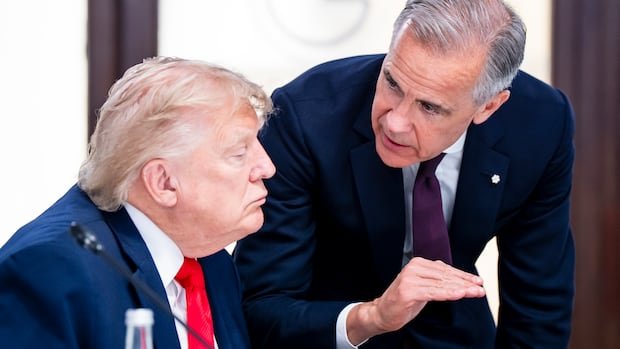

The ongoing trade dispute between the United States and Canada, spearheaded by U.S. Trade Representative Jamieson Greer, has extended for over 19 months. In February 2025, Donald Trump imposed tariffs on Canadian goods, breaching a previous free trade agreement. Experts predict that the tensions may persist until the end of the year, as negotiations have hit an impasse due to significant differences in positions.
Despite recent talks hinting at a potential resolution, the stalemate continues. The situation, as described by Wolfgang Alschner, a business and trade law professor at the University of Ottawa, remains unchanged due to the substantial gap in positions. The current status quo is deemed uncomfortable but not compelling enough to force either party to shift their stance.
Mark Carney, in response to the latest American tariffs, characterized them as relatively mild compared to previous actions by the U.S. administration. This observation suggests a possible lack of immediate retaliatory measures from Canada. Both sides appear entrenched in their positions, indicating a challenging path to reaching a mutual agreement.
The primary negotiators, including Greer from the U.S. and Canadian representatives Dominic LeBlanc and Janice Charette, have maintained a professional demeanor amidst the dispute. This professionalism could keep the door open for future negotiations, according to Meredith Lilly, an international economic policy expert. Potential trigger events, such as a resolution between the U.S. and Mexico or the outcome of U.S. midterm elections, may influence the trajectory of discussions.
Public sentiment plays a crucial role in shaping the negotiations, with Canadians showing strong support for tough actions against the U.S. The political landscape in both countries, particularly Canada, may impact the outcome of the trade dispute. The prolonged conflict raises questions about the future relationship between the two nations and the potential obstacles in reaching a resolution.
The evolving dynamics of the trade war underscore the need for transparency and trust-building measures by both governments. As the situation unfolds, the impact on the Canadian psyche and the lasting effects of the dispute on bilateral relations remain uncertain. Regardless of the eventual resolution, the trade war is likely to leave a lasting impression on how it is perceived and remembered by the public.