
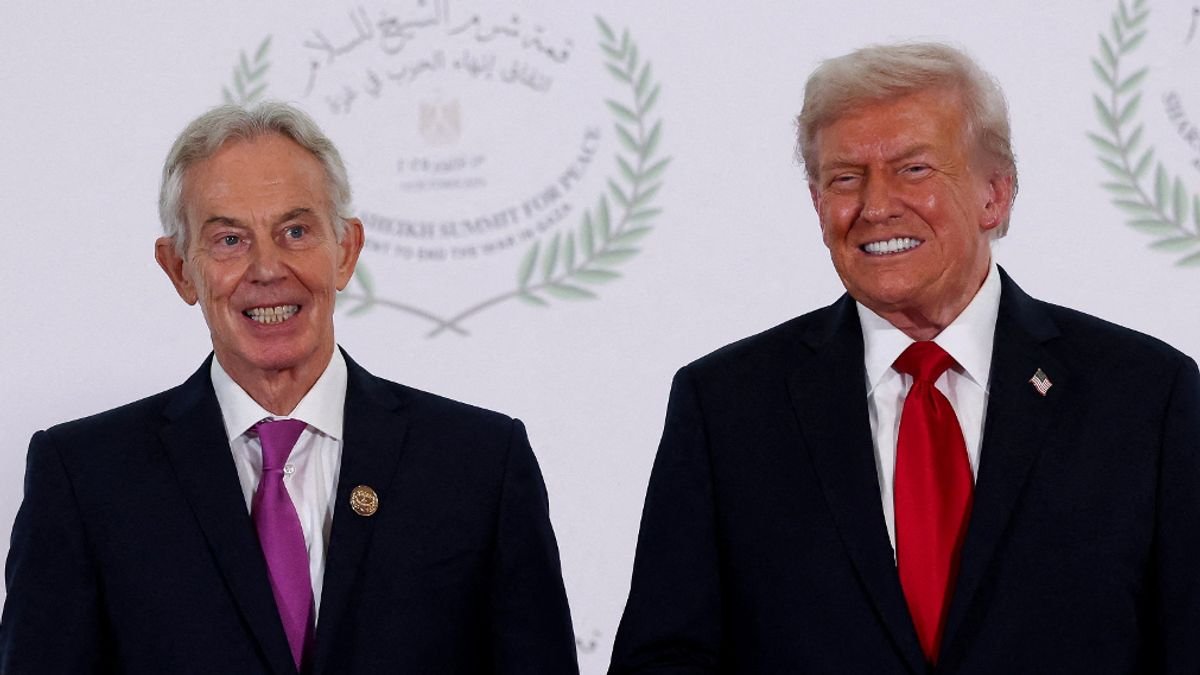

In the past, the term “Special Relationship” held deeper significance beyond just diplomatic rhetoric. It symbolized a bond of shared sacrifices, mutual respect, and the understanding that disagreements between Britain and America were dealt with privately.
However, Donald Trump has shattered this tradition with his recent remarks. He dismissed the UK as a “once great ally” and claimed that the US no longer required British aircraft carriers because they had already secured victory in wars. This disrespectful and historically inaccurate statement overlooks the long history of joint British-American military engagements, where British troops fought alongside American forces in various conflicts from the Gulf War to Afghanistan and Iraq.
Trump’s disregard for alliances and historical context is evident in his transactional approach to relationships, devoid of loyalty or shared values. His comments not only disrespect the sacrifices made by soldiers in joint operations but also undermine the foundations of the Western alliance established post-1945.
Despite Britain’s ongoing support for the US, including allowing American forces to operate from British bases in conflicts like those involving Iran, Trump continues to publicly diminish the UK’s contributions. This behavior reflects a lack of statesmanship and a disregard for the importance of international alliances, reducing them to mere tools for immediate self-interest.
In a surprising twist, former Prime Minister Tony Blair criticized current Labour leader Keir Starmer for not backing Trump’s military actions swiftly enough, despite Blair’s own controversial legacy tied to the Iraq War. Blair’s alignment with Trump’s aggressive stance on foreign policy raises concerns about his judgment and role on Trump’s “Board of Peace,” which seems ironic given Trump’s confrontational approach toward allies.
The broader implication of Trump’s rhetoric goes beyond insulting Britain; it signals a concerning shift in American foreign policy towards unilateral decision-making and disregard for traditional alliances. In contrast, Starmer’s cautious approach reflects a commitment to thoughtful deliberation before engaging in military actions, a lesson learned from past mistakes like the Iraq War.
The episode highlights the importance of upholding the Special Relationship based on mutual respect and independent decision-making, rather than blind obedience to American directives. It serves as a reminder that alliances should be partnerships between sovereign nations capable of disagreement while upholding shared values and interests.
As Trump undermines the principles of traditional alliances, Britain must assert its independence and resist being relegated to a subordinate role. Tony Blair, given his own experience with the consequences of hasty military interventions, should recognize the dangers of blindly following aggressive foreign policies.
The current political landscape underscores the need for a reevaluation of how alliances are upheld and the consequences of disregarding the lessons of history. It is a call for both the UK and its leaders to prioritize national interests, legality, and thoughtful decision-making over blind allegiance to foreign powers.