

Donald Trump issued a stark warning about the potential consequences of the Supreme Court deeming his tariffs unlawful, stating that it could have catastrophic effects on the United States. Recent developments have shed light on the outcome of this situation.
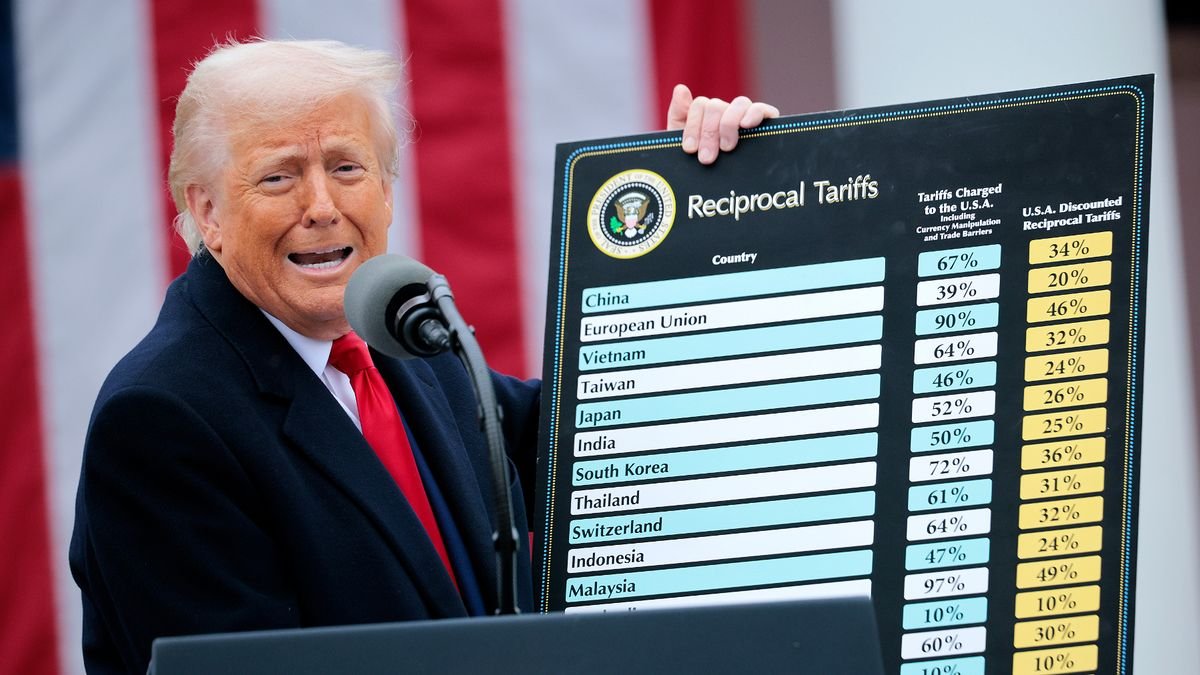
Reflecting on events from approximately six months ago, a significant moment occurred in the White House Rose Garden when Trump imposed tariffs on a global scale, extending even to remote islands inhabited solely by penguins. After a protracted legal battle, the highest court in the land has ruled that these actions were in violation of the law, emphasizing that the authority to implement tariffs rests with the Congress as outlined in the US constitution.
Despite this constitutional provision, Trump sought to bypass the legislative process by invoking an antiquated “emergency” statute, which he claimed granted him the power to enact tariffs independently. This move was strategic, as a substantial portion of his policy agenda, spanning from fiscal strategies to international relations, relied heavily on his ability to levy tariffs against foreign nations.
The utilization of tariffs as a coercive tool, often announced via social media, enabled Trump to exert influence and pressure other countries into compliance with his demands. Alleged diplomatic successes, such as cessation of conflicts, were attributed to the fear instilled by the possibility of facing steep tariffs from the US government.
The recent court ruling has invalidated these actions, raising uncertainties about the future course of action. While Trump’s administration is expected to explore potential loopholes to salvage the tariff policies, legal experts have pointed out the broad scope of the ruling, suggesting that it may be resistant to circumvention attempts.
In all likelihood, if alternative strategies fail to materialize, Trump may still be permitted to impose tariffs, albeit at reduced rates and for limited durations. Consequently, various companies, including retail giant Costco and international manufacturers like Chinese automaker BYD and camera producer GoPro, are poised to seek reimbursement for the import duties paid over the past half-year, which could amount to significant financial sums.
The aftermath of the court decision has dealt a dual blow to Trump’s authority. Firstly, he has lost a potent diplomatic tool, diminishing his leverage in international negotiations. The diminished threat of moderate tariffs for brief periods pales in comparison to the prior specter of severe and permanent tariffs. Secondly, the Supreme Court’s ruling represents a notable setback for Trump, marking the first instance where the judiciary has unequivocally curbed his executive powers. Despite his efforts to influence the court’s composition with conservative appointments, the outcome of this case, decided by a six-to-three majority against him, signals a clear message that unchecked executive actions will face judicial scrutiny.
Mikey Smith serves as the Mirror’s US Political Editor, reporting from both Washington and Westminster on the developments surrounding the second term of the Donald Trump administration.