
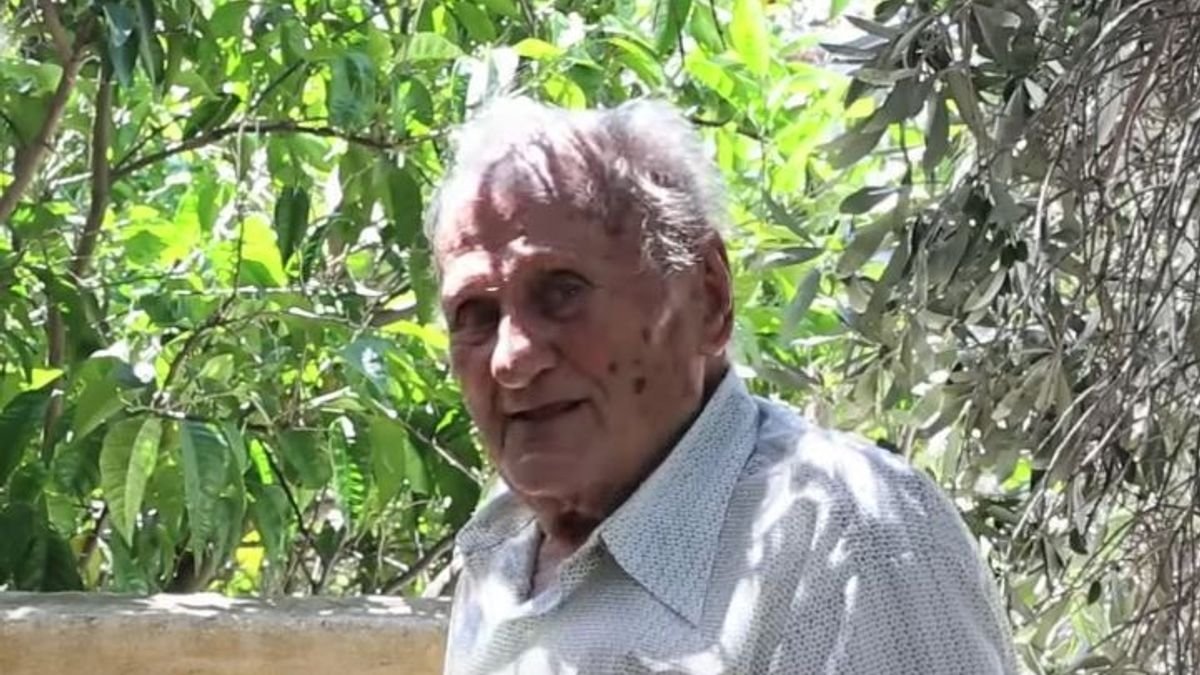

A man who defied a terminal lung cancer diagnosis by returning to his birthplace, a remote Greek island, lived for over four decades beyond what doctors predicted. Stamatis Moraitis, in his mid-60s, was told by U.S. doctors that his lung tumors were untreatable, giving him less than a year to live. Instead of aggressive medical intervention, Moraitis opted to go back to Ikaria, his birthplace known for its long-living inhabitants.
Remarkably, his health started improving on the island. Moraitis resumed physical work, planting crops, tending to vineyards, and enjoying time with friends daily, often savoring homemade wine until late hours. Upon returning to the U.S. years later, he found all his doctors had passed away.
Embracing Ikaria’s leisurely lifestyle, Moraitis credited his recovery to waking naturally, daily napping, and socializing extensively. A WWII veteran who moved to the U.S. in the 1940s, Moraitis led a challenging life before his unexpected turnaround.
According to longevity expert Dan Buettner, Moraitis’ transformation was due to a less stressful pace of life. Buettner, who described Moraitis as the most remarkable individual in his research, highlighted the impact of environmental change on Moraitis’ health.
Buettner emphasized that Moraitis’ survival was not a result of a miraculous cure but a shift in lifestyle. He pointed out the cultural differences between Ikaria and the U.S., stressing that hardship, physical activity, and social bonding are integral to Ikarian life. Statistics indicate that Ikarians have higher chances of reaching 90 compared to Americans and tend to develop cancer and heart disease later in life.
Moraitis, surpassing his terminal prognosis by more than four decades, became a global icon for Ikaria’s lifestyle. When asked about beating cancer, his answer remained simple: “It just went away.”