
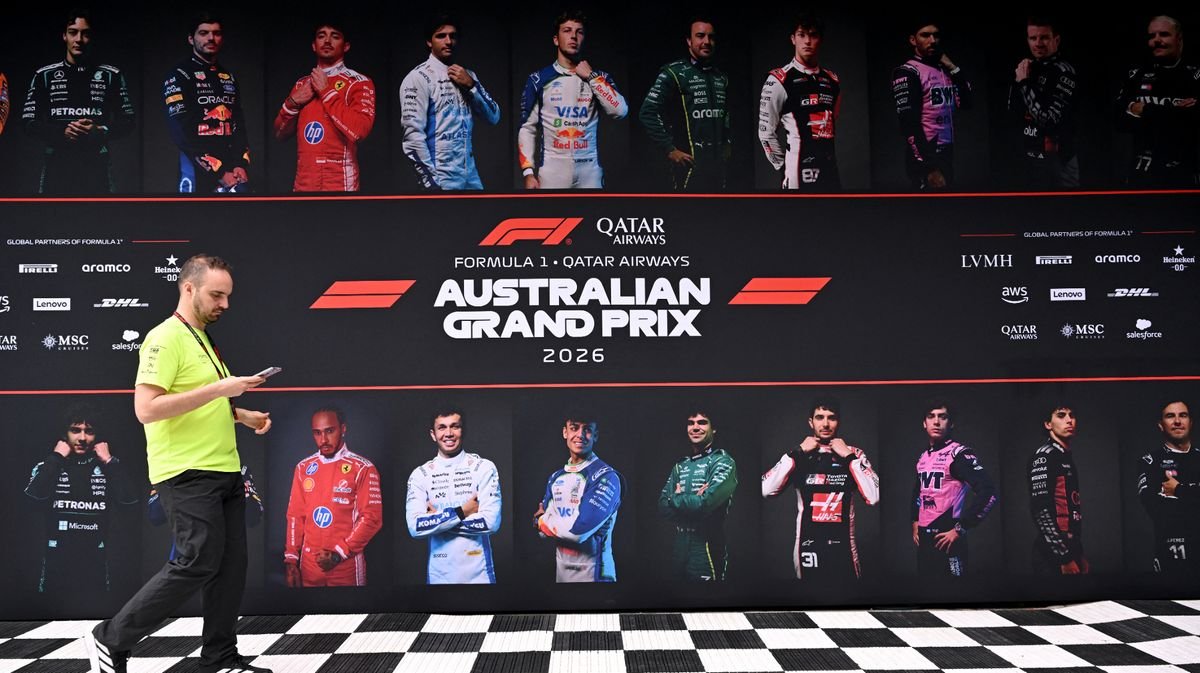

As the Formula 1 calendar unfolds, uncertainties loom over the Bahrain and Saudi Arabian races, prompting race organizers to take extraordinary measures to ensure the Australian Grand Prix proceeds smoothly. With airspace closures affecting travel plans for over 1,000 team members and F1 personnel bound for Australia, emergency charter flights from the UK and Europe have been arranged to guarantee their timely arrival for the event.
Travis Auld, overseeing the Melbourne race, emphasized the prioritization of essential F1 figures to mitigate disruptions, affirming that key personnel, including drivers, engineers, and team principals, have been given precedence in travel arrangements. Despite challenges, the cars have already been transported to Melbourne following the conclusion of pre-season testing in Bahrain.
However, logistical hurdles persist as some team members remain stranded in Bahrain due to unforeseen circumstances, such as the cancellation of a crucial wet-weather tire test by Pirelli amidst escalating regional tensions. While adjustments may be necessary to reallocate staff roles for the initial races, efforts have been made to ensure all essential personnel are present for the upcoming event without impacting the overall fan experience.
Although the Melbourne race is on track for its scheduled date, uncertainties shroud the Bahrain and Saudi races slated for April. The World Endurance Championship has already postponed its season opener in Qatar, reflecting the cautious approach taken by motorsport authorities in light of the current geopolitical climate.
FIA President Mohammed ben Sulayem emphasized a commitment to safety and well-being in evaluating the feasibility of upcoming events in the region, underscoring the paramount importance of ensuring the welfare of participants and spectators. Amidst the evolving situation, Formula 1 remains vigilant, closely monitoring developments in the Middle East while preparing contingency plans to uphold the integrity of the 24-race season in case adjustments become necessary.
Drawing on past experiences with event disruptions, F1 maintains flexibility in its approach, ensuring preparedness for potential changes to the racing calendar. The upcoming races in Australia, China, and Japan are unaffected by current uncertainties, with ongoing collaboration with relevant authorities to address any emerging challenges effectively.