
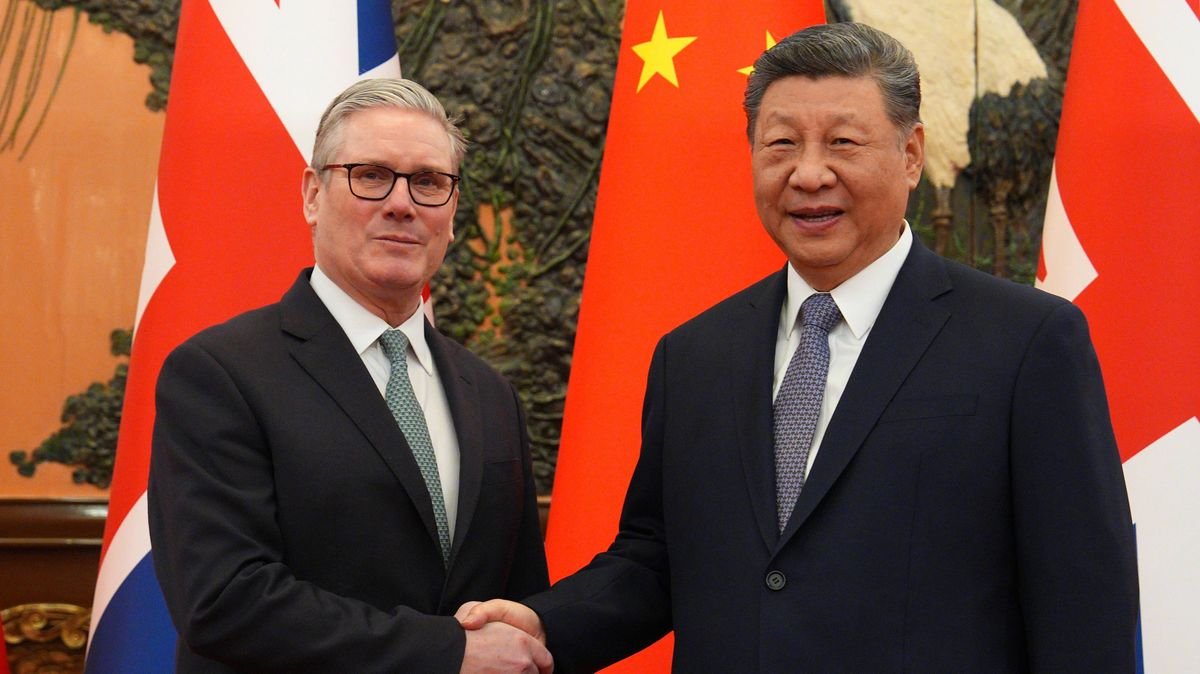

In the recent Beijing meeting between China’s President Xi and Keir Starmer, the exchange reportedly included acknowledgments of leadership styles. Starmer’s expressed concerns were more localized, touching on electoral dynamics in Manchester. The potential repercussions of political strategies in the region were underscored, emphasizing the significance of forthcoming decisions.
Starmer’s decision-making processes have faced scrutiny, with criticisms pointing to potential vulnerabilities in his political stance. The handling of key political maneuvers has raised questions about the efficacy of his leadership style. These issues have come to the forefront amid broader discussions about party dynamics and voter perceptions.
The unfolding narrative in Gorton adds a layer of complexity to the ongoing political landscape. The stakes are high as political contenders vie for influence in this critical constituency. The clash of ideologies and approaches underscores the broader ideological divide playing out at the national level.
The strategic positioning of political figures like Burnham and Starmer reflects wider shifts in public sentiment. The evolving political discourse is shaping the contours of the upcoming electoral contest. The interplay of personalities, policies, and public perceptions will be pivotal in determining the future trajectory of political dynamics in the region.
As the political drama unfolds, the implications for broader party dynamics are being closely watched. The evolving narratives in Gorton and beyond are emblematic of deeper fissures within the political establishment. The outcomes of these electoral battles will reverberate across party lines and could potentially reshape the political landscape in significant ways.