
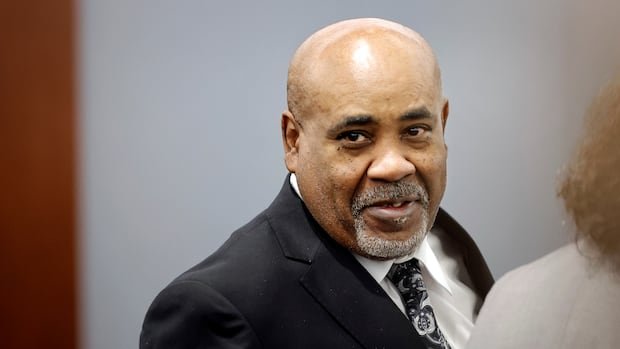

Jurors were presented with an audio recording of Duane (Keffe D) Davis disclosing to detectives in a 2008 police interview that his nephew, Orlando (Baby Lane) Anderson, was the one who fired the shots that ended rapper Tupac Shakur’s life. Davis, who claimed to be in the car with Anderson during the incident, is facing charges related to the alleged orchestration of Shakur’s 1996 murder in Las Vegas. Notably, at the time of the interview, Anderson had passed away ten years prior.
According to the recording, Davis mentioned that he and Anderson, along with two other men, were in a white Cadillac that pulled up next to the car carrying Shakur and Death Row Records’ Marion (Suge) Knight. Davis expressed regret that due to Knight’s positioning, he couldn’t fire the shots himself and passed his gun to Deandre “Big Dre” Smith, who declined. Subsequently, Anderson, seated in the back, took the firearm and opened fire, as detailed in the transcript that jurors followed closely.
This conversation marked the first time Davis openly discussed his role in the tragedy with authorities, a pivotal piece of evidence in the ongoing legal proceedings. Prosecutors are relying heavily on Davis’s own admissions from police interviews, podcasts, and his co-authored memoir, “Compton Street Legend,” to build their case against the now 63-year-old defendant. Despite Davis previously suggesting Knight or Sean (Diddy) Combs’ involvement in the shooting, he has pleaded not guilty, with his attorney dismissing the prosecution’s narrative as fiction, asserting a lack of concrete evidence to support Davis’s statements.
Moreover, the detectives initially brought Davis in to discuss the 1997 shooting death of Shakur’s rival, the Notorious B.I.G., during which Davis was briefly considered a suspect but later ruled out. Prosecutors argue that Davis breached confidentiality by publicly sharing details of the shooting years later, thereby annulling any prior agreements with law enforcement. Allegations suggest that Shakur’s murder was in retaliation for an earlier altercation between Shakur’s entourage and Anderson, following a Mike Tyson fight, an incident in which Davis was present but not directly involved.
Decades after his untimely demise, Tupac Shakur continues to be revered as a cultural icon and one of the most influential and versatile rappers in history. His tragic demise in a drive-by shooting in 1996 has only solidified his legendary status and enduring impact on the music industry and popular culture.