
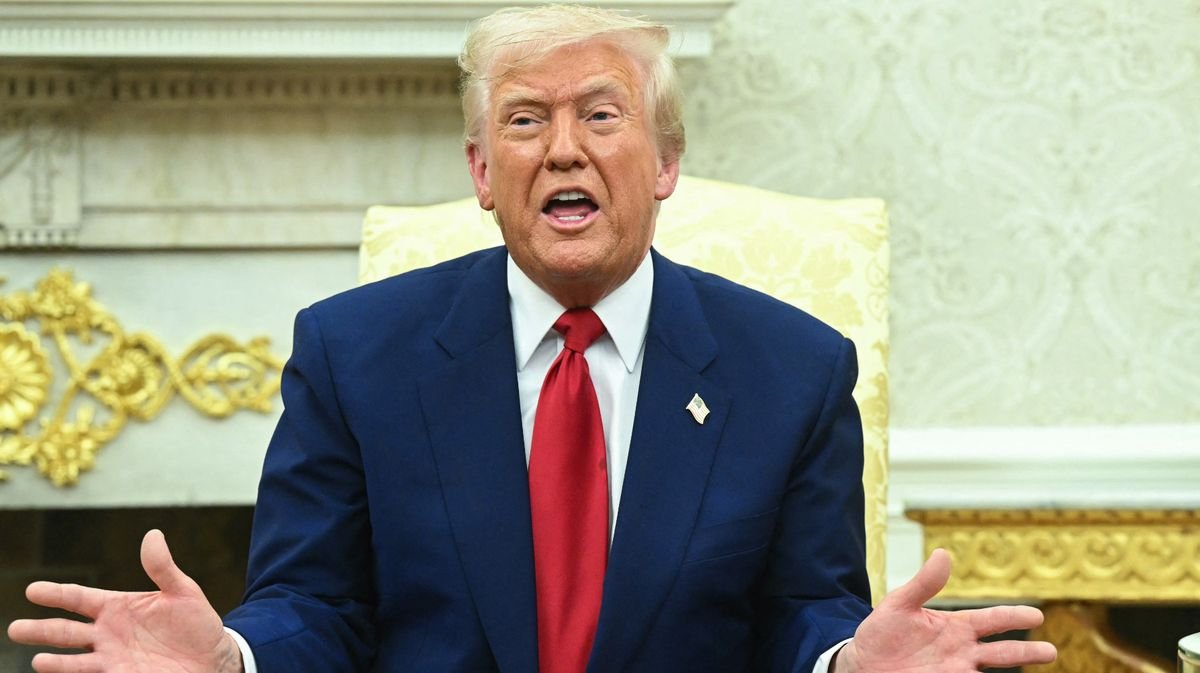

Iran has faced significant casualties as unrest erupted on December 28, leading to a violent crackdown by Iranian authorities. Ayatollah Khamenei accused the US President of supporting the seditious individuals and seeking to dominate Iran’s resources. He labeled the US President as a criminal responsible for casualties and damages inflicted on the Iranian nation.
The Ayatollah described the protesters as “foot soldiers” of the United States, alleging they had destroyed mosques and educational centers. He blamed the civil unrest participants for causing “several thousand” deaths through violence. The protests initially stemmed from economic concerns in late December, triggered by the government’s decision to end currency subsidies amidst a high inflation rate.
Reports indicate a death toll of 2,435 protesters and 153 security personnel, with over 18,470 arrests. Some sources suggest the death toll could be as high as 10,000, surpassing previous unrest levels in Iran. In response, President Trump criticized Ayatollah Khamenei’s leadership and called for new leadership in Iran.
Trump’s statements oscillated between criticism and conciliation, mentioning Iran’s cancellation of planned executions. He hinted at a possible shift away from military actions and offered support to protesting Iranians. Ayatollah Khamenei accused rioters of using imported live ammunition and vowed to address domestic and international offenders.
Iran has now returned to a tense calm following the violent suppression of protests. Iranian officials have accused the US and Israel of instigating unrest, with President Pezeshkian alleging external interference in a phone call with Russian President Putin. Tehran shows no signs of fresh protests, with normalcy returning to shopping and street activities.