
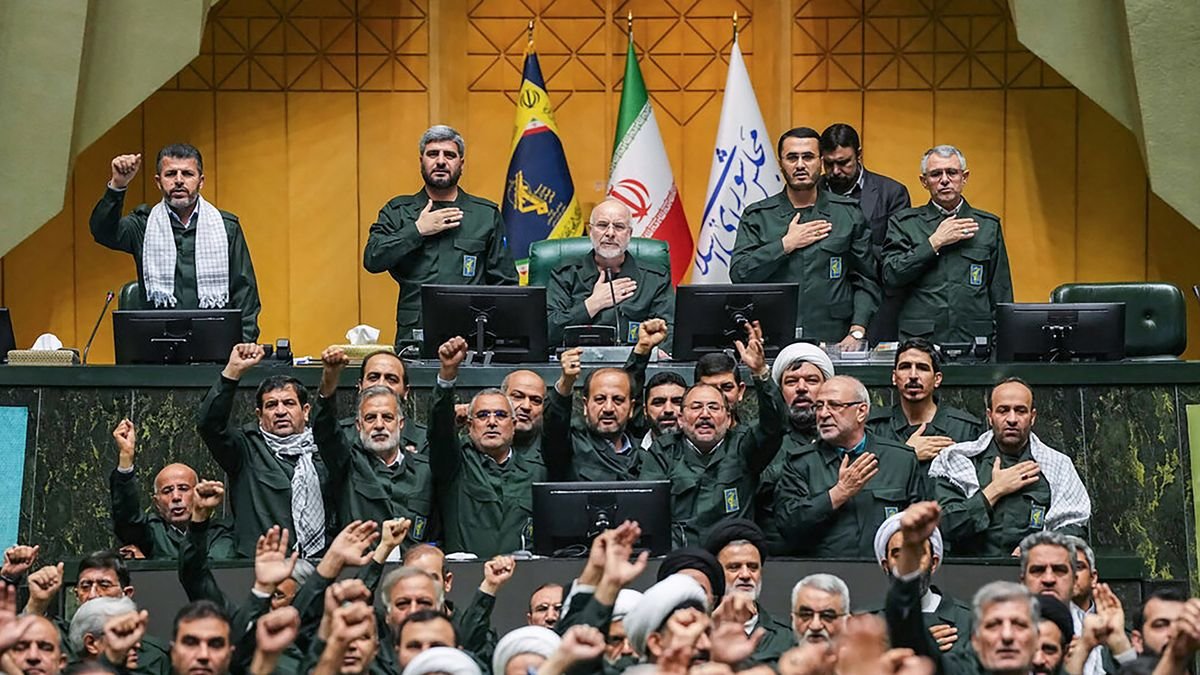

Tensions in the region are escalating following the recent incident where a US carrier fleet in the Arabian Sea shot down an Iranian drone. The actions of rogue officers within the Islamic Revolutionary Guard Corps could further fuel the situation, potentially leading to military conflict ranging from minor skirmishes to a full-blown war. The USS Abraham Lincoln strike force stationed 500 miles off Iran is poised for potential military action, with Israel also playing a significant role in the unfolding events.
Despite the possibility of the US scaling back or implementing a maritime blockade, there are indications that Israel could independently engage in military actions against Iran. President Trump has been considering various strategies, from limited strikes to more decisive measures aimed at destabilizing Tehran’s regime.
The welfare of protesters, who have faced significant casualties in recent unrest, risks being overshadowed by the escalating geopolitical tensions. Demands from the US for strict controls on Iran’s nuclear activities and ballistic missile program leave little room for negotiation, pushing the Iranian regime into a corner and diminishing its once significant regional influence.
Facing growing isolation and internal dissent, the Iranian regime is under immense pressure from both regional powers like Saudi Arabia and Qatar and its own population. Recent setbacks, including the arrest of Venezuelan leader Nicola Maduro, have weakened Iran’s global influence, further complicating its position.
Ongoing demonstrations within Iran, though suppressed by the regime, highlight the persistent discontent among the population. With no clear exit strategy, speculation abounds about potential escape plans for top Iranian leaders, including seeking refuge in Moscow. As the situation unfolds, the regime’s future remains uncertain, with millions of dollars already reportedly funneled out of the country as part of contingency plans.