
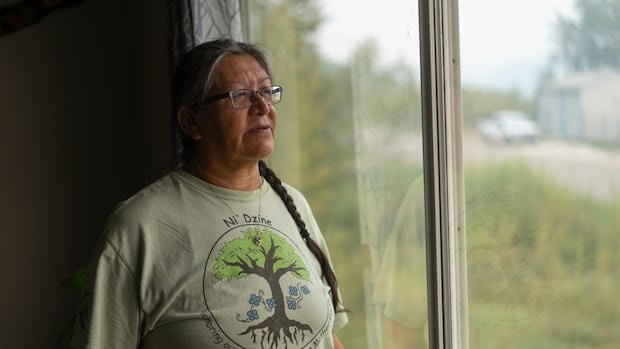

Residents of Fort McKay, a community nestled in the heart of the oilsands in Alberta, are facing significant challenges due to excessive dust pollution. Jean L’Hommecourt, a former environmental manager for the Fort McKay First Nation, has observed thick dust clouds enveloping the area, originating from nearby mines and industrial activities.
A recent study published in Atmospheric Pollution Research highlights that Fort McKay is experiencing high levels of dust pollution, surpassing regulatory air quality limits. The research, led by University of Toronto’s Kristin Iorio and independent researchers in Alberta, reveals that the community is frequently affected by intense dustfall events containing large particles of dust that conventional monitoring fails to capture.
The study, conducted between late 2022 and mid-2025, analyzed data collected by the Wood Buffalo Environmental Association and the Fort McKay Sustainability Department. Dustfall volumes in Fort McKay exceeded acceptable thresholds multiple times, indicating a pressing issue requiring immediate attention.
The study emphasizes the need for enhanced monitoring and regulatory measures to address the gap in managing industrial dust pollution. Current regulations in Alberta focus on monitoring fine particulate matter (PM2.5) but lack specific guidelines for larger particles (PM10) that pose health risks. The researchers advocate for the establishment of updated air quality objectives to track and mitigate dust pollution effectively.
Experts like Ke Du from the University of Calgary echo the study’s recommendations for continuous monitoring and revised air quality standards. The mismatch between existing monitoring practices and the episodic nature of industrial pollution underscores the urgency for comprehensive monitoring programs to safeguard public health.
In response to the study findings, Alberta officials are considering potential adjustments to monitoring approaches and air quality guidelines. Collaborative efforts between authorities, communities, and researchers are crucial to addressing the persistent dust pollution issue in Fort McKay and its implications for residents’ well-being.