
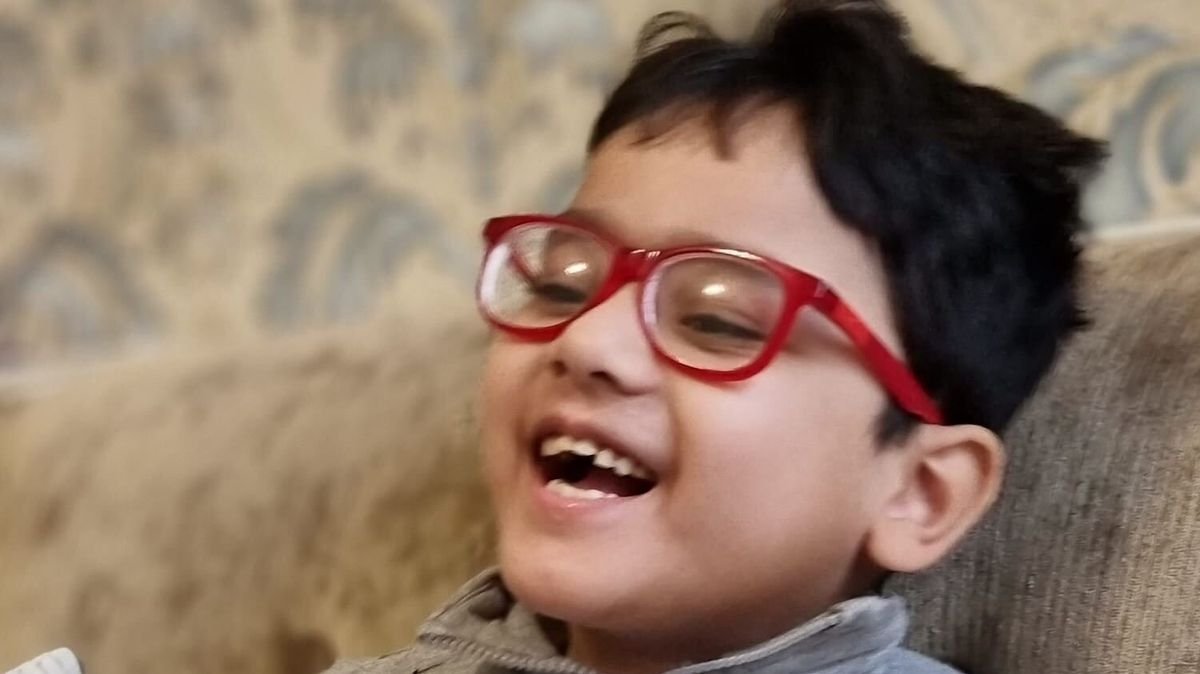

A father, Haroon Rashid, is persistently seeking justice nearly three years after his five-year-old son’s death due to alleged failures within the NHS. The tragic incident involving his son, Muhammad Ayaan Haroon, revealed distressing shortcomings in the quality of care provided, including reports of insensitive behavior by hospital staff during critical moments.
Haroon Rashid, a taxi driver from Sheffield and father of three daughters, expressed frustration over what he perceives as significant errors in the medical attention given to Ayaan. He firmly believes that these lapses, such as delays in administering essential treatments like high-flow oxygen, a chest drain, and intubation, directly contributed to his son’s passing. Despite repeated efforts to address his concerns, Haroon feels that his voice was not heard and that there were insufficient staff present to adequately care for Ayaan.
Ayaan, who suffered from a rare genetic condition and respiratory problems, had a history of hospitalizations at Sheffield Children’s Hospital. Tragically, he succumbed to adenovirus bronchopneumonia. An investigative report highlighted various deficiencies in Ayaan’s care, emphasizing the need for prompt oxygen therapy initiation and the criticism of delays in transferring him to the intensive care unit.
Haroon Rashid’s ordeal with the NHS has been compounded by bureaucratic challenges within the complaints system, further deepening his grief over the loss of his son. An inadvertent disclosure of private information regarding their case to the media by the NHS added to the family’s distress. Despite these setbacks, Haroon advocates for transparency, accountability, and improved communication between healthcare providers and affected families.
The Rashid family’s pursuit of justice resonates with similar experiences, like the case of Yusuf Nazir, at Sheffield Children’s Hospital. Both families have criticized official reports and called for reforms to ensure that parental concerns are listened to and addressed. Haroon also shared the positive story of his daughter Aroob, who, despite facing similar health challenges as Ayaan, has channeled her grief into charitable endeavors and advocacy for children’s rights.
Dr. Jeff Perring, the Executive Medical Director at Sheffield Children’s NHS Foundation Trust, acknowledged the ongoing dialogue with the Rashid family to learn from their ordeal and improve future care practices. The commitment to transparency and cooperation in addressing grievances is crucial for rebuilding trust and ensuring accountability within the healthcare system.
In conclusion, the Rashid family’s quest for justice and reform in the wake of Ayaan’s tragic passing underscores the importance of patient advocacy, accountability, and continuous improvement in healthcare services. The experiences shared by families like the Rashids and the Nazirs highlight the need for a patient-centered approach in medical care to prevent similar tragedies in the future.