
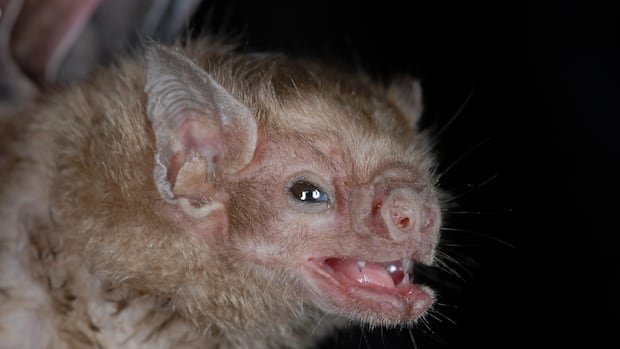

A recent extensive study of genomes from all 21 modern bat families, along with comparisons to numerous fossil bats, has provided clarity on the origin of bats and shed light on the characteristics of early bats. The study, published in the journal Nature, suggests that the earliest bats likely originated in Europe approximately 65 million years ago. Previous debates on whether bats could have also come from Asia, Africa, or North America have been addressed, with the study indicating a European origin for bats.
Lead author Sonja Vernes mentioned that due to bats’ flying abilities, they have been dispersing across the globe for millions of years. By analyzing genomes of 103 bat species and comparing them to 44 bat fossils, researchers discovered that ancient bats had 26 chromosomes and first appeared after the extinction of dinosaurs. Notably, echolocation developed early in bat evolution, with the fossil bat Vielasia, which lived 50 million years ago and exhibited bone structures for echolocation, belonging to the oldest branch in the bat family tree.
Today, there are over 1,500 bat species globally, comprising about a fifth of all mammal species. The study’s new family tree provides insights into the relationships among the 21 bat families. Researchers are now focused on exploring the genetic secrets behind bats’ longevity and resistance to viral diseases, which could potentially lead to innovative healthcare treatments inspired by bats.
The study involved a collaboration of 600 researchers worldwide, including Canadians like Burton Lim from the Royal Ontario Museum, who contributed a significant number of bat samples for genome testing. Lim’s work involved collecting samples from various bat species, including sheath-tailed bats from Central and South America.
Bats, often misunderstood creatures, play crucial roles in ecosystems, from pollination to insect control. The availability of numerous bat genomes for research is expected to drive further studies on unique bat traits like echolocation. The study’s comprehensive dataset could pave the way for significant discoveries regarding bat evolution and genetics, similar to previous genome projects for other species like primates.