
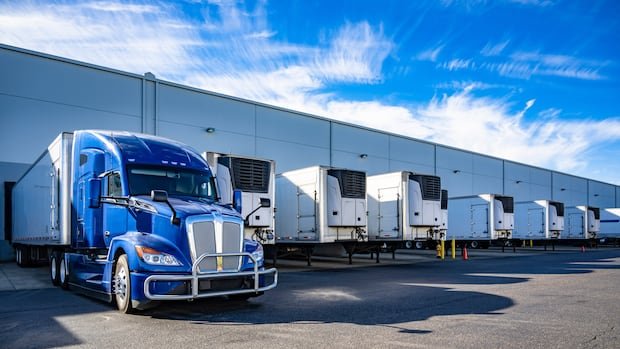

Canadians are preparing for significant increases in prices on a variety of products due to anticipated counter-tariffs, including American aluminum, toilet paper, furniture, and even the semi-trailers used to transport these goods within and into the country.
One major player in the industry, Ocean Trailer, has a pending $45-million order for 600 trailers from U.S. manufacturers, urgently aiming to get them across the border before a 25 per cent Canadian counter-tariff on trailers and other items becomes effective.
Mack Keay, the Chief Operating Officer of Ocean Trailer, stated that the additional 25 per cent cost exceeds their profit margin per trailer, necessitating them to transfer the cost to customers.
The Canadian government is set to impose dollar-for-dollar countermeasures on $27.6 billion worth of U.S. goods in response to the latest tariffs levied by the Trump administration, effective at 12:01 a.m. on Tuesday.
Ocean Trailer may attempt to cancel some orders, but those already in production in the U.S. will either remain there or be sold to American retailers if they cannot reach Canada before the tariff implementation.
Industry Faces Concerns
Concerns extend beyond Ocean Trailer, with the Manitoba Trucking Association expressing worry as most semi-trailers in Canada are sourced from the U.S.
According to Aaron Dolyniuk, the Executive Director of the association, many businesses are rushing to expedite deliveries before the tariffs take effect, fearing the increased costs.
The two common types of semi-trailers used in Canada are dry vans and refrigerated vans, transporting a wide range of products including perishable items and non-perishable goods.
Canadian semi-trailer manufacturers have limited capacity to meet the sudden surge in demand resulting from the counter-tariffs, with the industry bracing for substantial additional costs.
Challenges Ahead
The average cost of trailers, around $75,000, could soar close to $95,000 with the proposed 25 per cent tariff increase, impacting businesses and consumers alike.
Ocean Trailer branches are witnessing a daily influx of trailers, either fulfilling orders or expanding rental fleets, leading to concerns about a potential trailer shortage and escalating costs.
Industry experts warn of possible bankruptcies within the trucking sector and other related businesses if the tariff conflicts persist for an extended period.
Adapting to the evolving situation, Canadian trucking companies may resort to rentals as a short-term solution to mitigate the higher costs of purchasing U.S. trailers under the new tariffs.
The uncertainties surrounding the duration of the tariff disputes are raising fears of long-term repercussions on the industry and the economy.